Housing Crisis in Sweden: Addressing Shortages and Sustainable Solutions
140 likes | 281 Vues
Sweden, with a population of 9.5 million, faces a housing crisis as population growth outpaces dwelling production. The capital, Stockholm, grows by 2 million inhabitants, highlighting the urgent need for housing. Prefabricated houses with low energy consumption are proposed as a sustainable solution, but production levels fall short. Issues include stringent rental regulations, banking limits, and local interpretations of building codes. To meet the demand, up to 300,000 dwellings need to be produced swiftly, leveraging industrial capabilities in eco-friendly construction.


Housing Crisis in Sweden: Addressing Shortages and Sustainable Solutions
E N D
Presentation Transcript
TMFSweden PresentationMeran 2013 Gustaf Edgren | 25 SEPT 2013
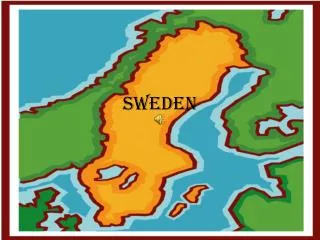
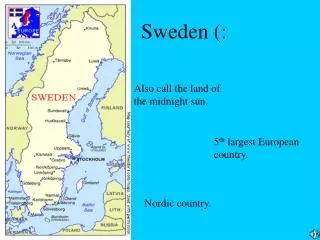
Sweden Population: 9,5 million Population growth: 1 % GDP per capita: 42.000 Euro GDP growth: 1,0 % 2012 . Capital city is Stockholm (2 million) and its populationincreases by onebig bus/day…
Wood dominates Sweden's single family Houses 90 % market sharesingle family houses 10 % multi-storey houses
The standard house • Single family house mean U-value approx. 0,25 w/m2oK with 0,15 w/m2oK for walls and 1,1 for windows and doors. • Heating system heat pump which distributes the energy with water to a radiation system or floor heating system. • House with a heat pump that uses energy from the ground consumes about 35 to 45 kWh/m2 year. • Multi storey houses often has district heating which is produced with 85 % renewable energy and consumes 70 – 90 kWh/m2 year.
Housing shortage increases-Prices are rising • Between 1965-1975 webuilt 1 million dwellings for the large baby boomers from the forties • For the next baby boomers from the sixties, housing starts increased 1986-1992 • For the baby boomers from late eighties and earlyninetiesweshouldneedto start approx. 50.000 dwellings a year, but the production is less thanhalf – …? • Besidesthese baby boomers wealsohave a net immigration of approx. 60.000 persons yearly.
Several reasons for low housing starts • Rental Regulations(i.e not market priced) • Banking regulation, mortgage limited to 85% • Uncertaintyin the financialmarket • Local interpretations of environmental energy consumtion • Local interpretations of other building regulations • Local tariffs and taxes, including building permits • Lack of attractive land with affordable price range • Lack of infrastructure, long term planning • Tax on capital gain when selling property inhibit sales, 22%
Industry of Prefabricated Houses/buildings • 70 companies • Focus on singlefamilybuildnings • Tot. Prod. Capacity is >15000 houses/year • 2012 theyonlyproduced 4750 outof a total of ~20000 dwellings • 5-7 companies • Focus on multi familybuildings • Total prodcap. 2500 dwellings
The challenge • Howtorewrighthistory ? • Whobut the oneslooking for somewhereto live wishtoproduce300 000 dwellingswithin the blink of an eye? • Banks ? • Municipality? • Houseowners/voters?Is it possibletoclose the capbetween the needsince 20 years and keepupwith buss thatsunloadingeverydayonly in stockholm?
The solution is industry, the industryofprefabricated houses. Sustainable, with small environmentalfootprint materials and smart building system