
SlideServe
Menu
Préférences
© SlideServe · v2026

Structure and Function of Cells

hang avatar
30 diapositives · 451 Views · Aug 04, 2014

The cell is a complex unit with various parts that perform critical functions. At its outer layer, the cell membrane acts as a security system, regulating what enters and exits, while cytoplasm, a jelly-like substance, houses essential organelles and enzymes. The nucleus controls cellular activities and houses DNA, which contains instructions for growth and reproduction. Organelles like mitochondria generate energy, ribosomes synthesize proteins, and the endoplasmic reticulum transports materials. Plant cells possess unique structures such as chloroplasts for photosynthesis and cell walls for support.
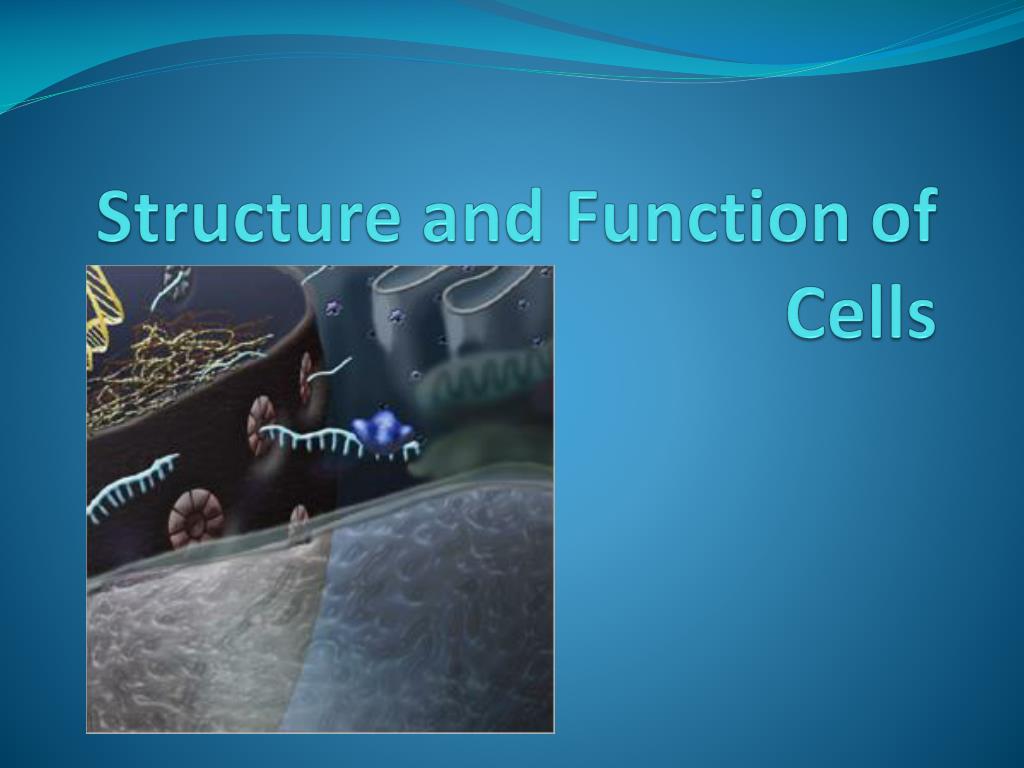
Structure and Function of Cells - slide 1
01 / 30Structure and Function of Cells
1 / 17

Télécharger la présentation

Structure and Function of Cells
Une image / un lien ci-dessous est fourni (tel quel) pour télécharger la présentation

Politique de téléchargement : le contenu du site vous est fourni TEL QUEL pour votre information et votre usage personnel ; il ne peut être vendu, concédé sous licence ni partagé sur d’autres sites sans l’accord de son auteur.Le contenu vous est fourni TEL QUEL, pour votre information et votre usage personnel uniquement. Téléchargez la présentation en cliquant sur ce lien. Lors du téléchargement, si vous ne parvenez pas à télécharger une présentation, l’éditeur a peut-être supprimé le fichier de son serveur.Pendant le téléchargement, si vous ne parvenez pas à obtenir une présentation, le fichier a peut-être été supprimé par l’éditeur.

F I N

Plus de contenu associé

Transcription de la présentation
  1. Structure and Function of Cells

  2. Cell Membrane • Outer Shell of the Cell • Separates the cell from the external environment • Regulates what comes into and out of the cell • Security system of the cell

  3. Cytoplasm • Jelly Like mixture • Contains molecules and small cell parts(organelles) • Contains enzymes to drive chemical reactions

  4. DNA • Long molecule containing information • Controls cells activities • Mutations can cause irregular cell division • Complex instructions

  5. Nucleus • Controls cells activities • Stores DNA • Large, Round/Oval Shape • Is made up of the following parts: • Nuclear Membrane • DNA • Nucleolus • In both Plant and Animal Cells

  6. Nuclear Membrane • Surrounds Nucleus • Selectively Permeable • Controls what moves into and out of the nucleus • Both Plant and Animal Cells

  7. Nucleolus • Found inside the nucleus • Creates Ribosomes • Both Plant and Animal Cells

  8. Mitochondrion (Mitochondria) • Bean shaped with inner membranes • Breaks down sugar molecules into energy • Both Plant and Animal Cells

  9. Ribosome • Small bodies that are free within the cell or attached to E.R. • Produce Proteins • Created by the Nucleolus • Both Plant and Animal Cells

  10. Endoplasmic Reticulum (ER) • Network of tubes or membranes • Carries materials through the cell • Smooth and Rough ER • Rough ER have Ribosome attached • Both plant and animal cells

  11. Vacuole • Fluid-filled sacs • Store food, water, waste • Plants store large amounts of food, have large vcacuoles • Both Plant and Animal Cells

  12. Golgi Bodies • Packages proteins for transport • Tubes and membranes • Thought of as UPS or Post Office of the cell

  13. Lysosome • Small, round with a membrane • Breaks down larger food molecules into smaller pieces • Digests old cell parts • Uncommon in Plants, common in Animal Cells

  14. Plant Cell Parts • Parts that are common only in Plant cells include: • Cell Wall • Chloroplast • Chlorophyll

  15. Cell Wall • Outer Layer of Plant Cell • Rigid, strong • Made of cellulose • Provides Support, Protection • Allows H2O, O2, CO2 to pass into and out of cell

  16. Chloroplast • Green, oval • Uses energy from sun to make food for the plant • Contain Chlorophyll

  17. Chlorophyll • Very small, round, green • Provide pigment to the plant • Used during photosynthesis