The Impact of Topography on Cultural Development in Western Europe
10 likes | 152 Vues
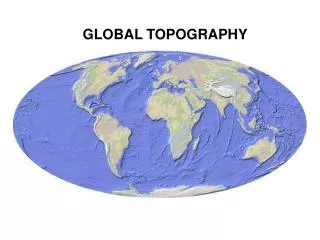
Western Europe, covering about 428,000 square miles, is divided into diverse geographical features, including large islands like Great Britain, Ireland, and Iceland, as well as notable peninsulas such as Scandinavia, Iberia, and Italy. This fragmented topography, marked by high mountain ranges, has played a significant role in shaping cultural development by fostering isolated communities, each with distinct languages and traditions. Consequently, these geographical barriers have led to a rich tapestry of cultural diversity, making communication and exchange between regions more complex but also more uniquely localized.


The Impact of Topography on Cultural Development in Western Europe
E N D
Presentation Transcript
Topography and Culture Western Europe isn’t very large; in area, its about 428,000 square miles. But this area is broker up into many smaller areas. Several parts of Europe consist of large islands. These include Great Britain, Ireland and Iceland. Some are peninsulas, joined to the mainland by a comparatively narrow neck of land. These include Scandinavia, Iberia and Italy. Even the mainland is broken up, crisscrossed by high mountain ranges. Based on what you know about people and geography, how do you think the broken-up nature of Western Europe might have affected the way cultures developed here. Write one clear paragraph (three sentences) explaining your answer.