SlideServe
Menu
Préférences
© SlideServe · v2026

Poliomyelitis

hinda avatar
29 diapositives · 1.1K Views · Jul 13, 2014

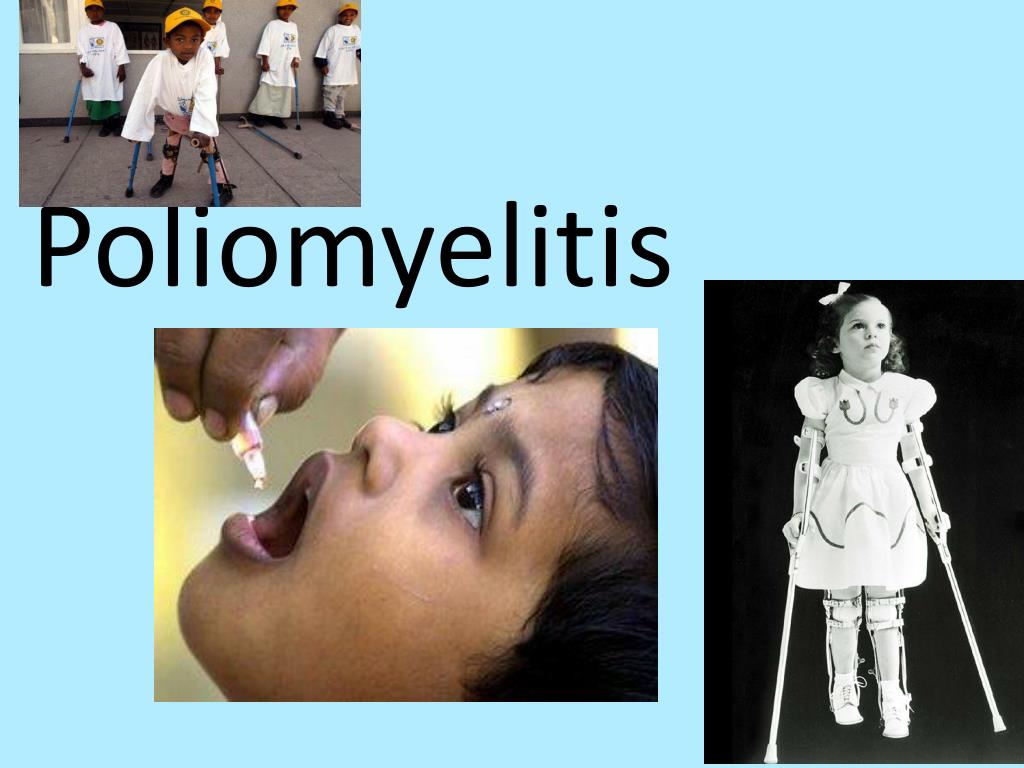
Poliomyelitis . Polio is a highly infectious viral disease. One In 200 infections results in paralysis, usually of the legs. In the 1930s a polio epidemic emerged in the US. Although Polio isn’t the most deadly infectious disease it terrified everyone. So why an epidemic?.
Poliomyelitis - slide 1
01 / 29Poliomyelitis
1 / 17

Télécharger la présentation

Poliomyelitis
Une image / un lien ci-dessous est fourni (tel quel) pour télécharger la présentation

Politique de téléchargement : le contenu du site vous est fourni TEL QUEL pour votre information et votre usage personnel ; il ne peut être vendu, concédé sous licence ni partagé sur d’autres sites sans l’accord de son auteur.Le contenu vous est fourni TEL QUEL, pour votre information et votre usage personnel uniquement. Téléchargez la présentation en cliquant sur ce lien. Lors du téléchargement, si vous ne parvenez pas à télécharger une présentation, l’éditeur a peut-être supprimé le fichier de son serveur.Pendant le téléchargement, si vous ne parvenez pas à obtenir une présentation, le fichier a peut-être été supprimé par l’éditeur.

F I N

Plus de contenu associé

Transcription de la présentation
  1. Poliomyelitis

  2. Polio is a highly infectious viral disease

  3. One In 200 infections results in paralysis, usually of the legs.

  4. In the 1930s a polio epidemic emerged in the US. Although Polio isn’t the most deadly infectious disease it terrified everyone

  5. So why an epidemic? • http://www.museumofdisability.org/siteimages/media/MagAdMarchofDimes.jpg • Around the 1900s nations cleaned up their water supplies

  6. So why an epidemic? • http://www.museumofdisability.org/siteimages/media/MagAdMarchofDimes.jpg • Around the 1900s nations cleaned up their water supplies • Mothers used to pass antibodies to their children.

  7. So why an epidemic? • http://www.museumofdisability.org/siteimages/media/MagAdMarchofDimes.jpg • Around the 1900s nations cleaned up their water supplies • Mothers used to pass antibodies to their children. • By the 1930s mothers no longer had those antibodies to pass to their children since they had never been exposed to the virus before

  8. So why an epidemic? • http://www.museumofdisability.org/siteimages/media/MagAdMarchofDimes.jpg • Around the 1900s nations cleaned up their water supplies • Mothers used to pass antibodies to their children. • By the 1930s mothers no longer had those antibodies to pass to their children since they had never been exposed to the virus before • THIS LEFT CHILDREN VULNERABLE

  9. It was not just a disease of the poor! http://img.dailymail.co.uk/i/pix/2007/12_03/polioDM_468x707.jpg

  10. President Franklin Delano Roosevelt

  11. This got peoples attention! • “Iron lungs” were used to help patients breathe if the paralysis spread to their diaphragm.

  12. Clearly a vaccination is in order. BUT first what causes polio?

  13. The Poliovirus (PV) Causes Polio

  14. Poliovirus invading a cell • The virus attaches to specific cell-surface receptors (Vpr)

  15. Poliovirus invading a cell • The virus attaches to specific cell-surface receptors (Vpr) • It then enters the cell through endocytosis and releases its genetic material into the cytoplasm

  16. POLIOVIRUS PV enters the body through the nose or mouth then lives and multiplies in the human gut.

  17. POLIOVIRUS • During this stage the patient experiences flu like symptoms such as: • Headache • vomiting • fever • Neck stiffness • Pain in limbs

  18. Next, the virus moves to the blood stream where the immune system makes antibodies to it and hopefully fights it off. If the Immune system fails…

  19. PV travels to the central nervous system and attacks motor neurons which can result in flaccid paralysis, muscle weakening or death. BUT, thankfully the human immune system is so good that it only causes paralysis in 1 in 200 cases!! However it can still spread…

  20. The poliovirus spreads through infected feces or phlegm Open sewer The Virus Can survive for up to two months outside the body!!!

  21. To stop the spread of polio scientists developed vaccines • In 1955 Dr. Jonas Salk produced the first polio vaccine: • A Killed virus vaccine • 70-90% effective against all three strains of poliovirus

  22. In 1957 Albert Sabin developed a live, attenuated vaccine • Delivered orally • provided longer immunity

  23. Mandatory Vaccinations eliminated wild poliovirus infections from the U.S. by 1979!!! So What Next??

  24. 1988 a global eradication plan was put into action • Lead by WHO, UNICEF, Rotary international; and the US centers for disease control • The number of cases dropped by over 99% in the 20 years! (WHO)

  25. 20 million volunteers have vaccinated 2 billion children in 200 countries! • http://www.africagoodnews.com/development/health/2227-new-hope-for-polio-eradication.html And It Only takes a few drops!

  26. But there is still much work to be done! • The eradication campaign has encountered many set backs • Especially in the countries that remain endemic

  27. Polio remains endemic in only four nations: • Pakistan • Afghanistan • India • Nigeria

  28. The Numbers Today