Exploring Sponges and Cnidarians: Characteristics, Classification, and Life Processes
190 likes | 319 Vues
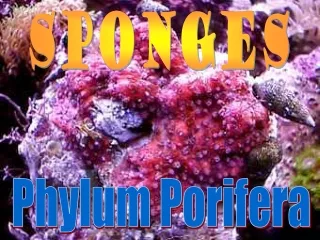
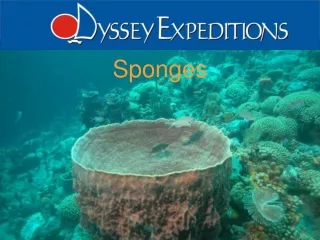
This review delves into the fascinating world of sponges and cnidarians, two distinct groups of animals in the animal kingdom. Sponges belong to the phylum Porifera, which means 'pore-bearing', and are characterized by their unique feeding system that utilizes pores and collar cells. Unlike plants, sponges do not produce their own food. Cnidarians, including jellyfish and corals, possess stinging cells, or cnidocytes, to capture prey. Both groups exhibit radial symmetry and have intriguing methods of reproduction and support. Discover their unique adaptations and ecological roles.


Exploring Sponges and Cnidarians: Characteristics, Classification, and Life Processes
E N D
Presentation Transcript
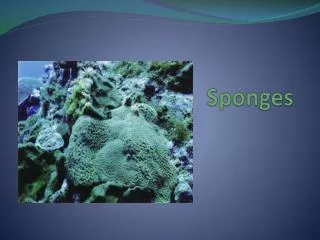
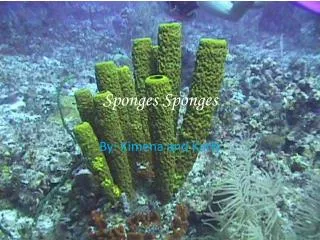
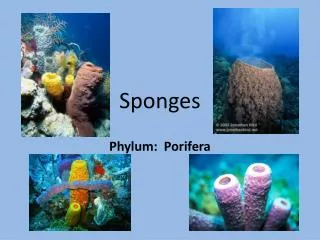
Sponges • Which Phylum do Sponges belong to? • Porifera • What does Porifera mean? • Pore-bearing • For many years sponges were classed as plants. Why? http://www.mbgnet.net/salt/animals/1sponge.jpg
Sponges • Why are Sponges now classified as animals? • They do not produce their own food! • Do sponges have tissues or organs? • NO! • Which type of symmetry do they have? • Radial http://t0.gstatic.com/images?q=tbn:ANd9GcSsGkbJ53YremLOURV1PY9CEk5jw7QaW3OeCyyggIGCuRO9LmXiYAx4KbyLEw
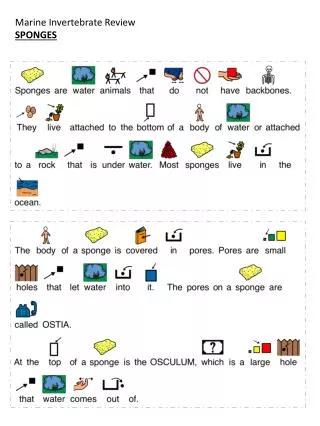
Sponges • How do sponges get their food? • Extract it from water as it flows through the sponge • What are the openings known as that the water can flow through? • Pores • Which cells use their tails to remove food from the water? • Collar cells
Sponges • What is the name for the large opening at the top of the sponge where the waste and new sponges exit? • Osculum http://www.enchantedlearning.com/subjects/invertebrates/sponge/spongex.GIF
Sponges http://api.ning.com/files/tvuiNan6mLB7oYWJb1zhJzEELHxcPKfp5n7XAr3mDR1QT3MeVwv1KrmZKmGasj9cRIfmDWhgxjDTCMN4prd2B*n6RusbQuKC/I1082sponge2.jpg
Sponges • What gives the sponge support? • Spicules or the spikes • How do they reproduce? • Sexual reproduction • Asexual reproduction • Do their “young” stay next to them? • No http://www.microlabgallery.com/gallery/images/SpongeSpicules.jpg
Sponges • What is the advantage of having their young swim away? • They will not be competing for resources with them • Facts! • Sponges are sessile – fused to the ground • Larval stage is free swimming • Radial symmetry helps them detect things all around themselves
http://reefguide.org/pix/thumb2/orangeballsponge1.jpg http://reefguide.org/pix/pinklumpysponge1.jpg
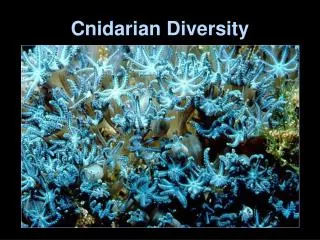
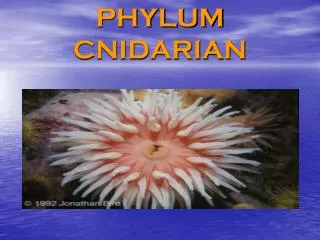
Cnidarians • Includes jellyfish, coral, and sea anemones • How do they move? • Slow swimming or don’t move at all • Do they chase their prey? • No, they move slowly they eat what they “bump” into
http://www.biologyeducation.net/wp-content/uploads/101.jpg Cnidarians • What do their use to kill or stun their prey? • Stinging cells • Cnidocytes – cell name • Nematocysts – harpoon like structure that they fire once to stun the prey
http://4.bp.blogspot.com/-lj8m4KSwTaY/TZ4vlIMzTBI/AAAAAAAAAXg/TlkHD1W2vI8/s1600/portuguese_man_o_war.jpghttp://4.bp.blogspot.com/-lj8m4KSwTaY/TZ4vlIMzTBI/AAAAAAAAAXg/TlkHD1W2vI8/s1600/portuguese_man_o_war.jpg Cnidarians http://www.aloha.com/~lifeguards/portjell.gif
Cnidarians http://t0.gstatic.com/images?q=tbn:ANd9GcRFweStzZ-m_kRtcMFo3-BMhyr9OknogFDXvjTBha6q1RzQrMDBODCfmQRA http://www.tampabay.com/multimedia/archive/00024/a4s_manowar052308a_24572c.jpg
Cnidarians – Sea Anemone http://3.bp.blogspot.com/_fU7LdRkUMVM/TToEo0hGQxI/AAAAAAAADrM/5rKEwTwZyXM/s1600/Sea-Anemone.jpg
Cnidarians - Coral http://static.guim.co.uk/sys-images/Guardian/About/General/2011/2/23/1298488013408/Coral-reef-near-Fiji-007.jpg
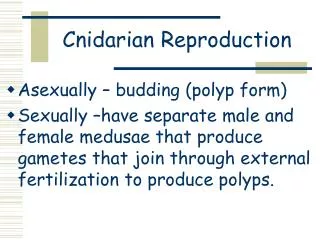
http://media.web.britannica.com/eb-media/39/72139-035-550475BC.jpghttp://media.web.britannica.com/eb-media/39/72139-035-550475BC.jpg Cnidarians • What are the two body types that they can have? • Polyp (sessile) Asexual • Medusa (swimming or free-floating)Sexual
Cnidarians • What type of symmetry do they have? • Radial • They have a nerve net which they use to detect and sense what is around them • Where does the undigested food go? • Back through their mouth because they have only 1 opening.
http://4.bp.blogspot.com/-CdPPhQ21pqo/TV9-yy7y3UI/AAAAAAAAAzw/ZKsbiXcmQ9w/s1600/800px-Clown_fish_swimming.jpghttp://4.bp.blogspot.com/-CdPPhQ21pqo/TV9-yy7y3UI/AAAAAAAAAzw/ZKsbiXcmQ9w/s1600/800px-Clown_fish_swimming.jpg