Tiffany & Co. Sterling Silver Jewelry Collection
280 likes | 729 Vues
Explore the exquisite 925 Sterling Silver collection by Tiffany & Co., known for its purity and timeless elegance. Discover bracelets, necklaces, earrings, and rings that embody superior design and exclusivity, aimed at those in the middle to high income bracket. With high price elasticity, these luxury pieces offer value and quality for the discerning customer.


Tiffany & Co. Sterling Silver Jewelry Collection
E N D
Presentation Transcript
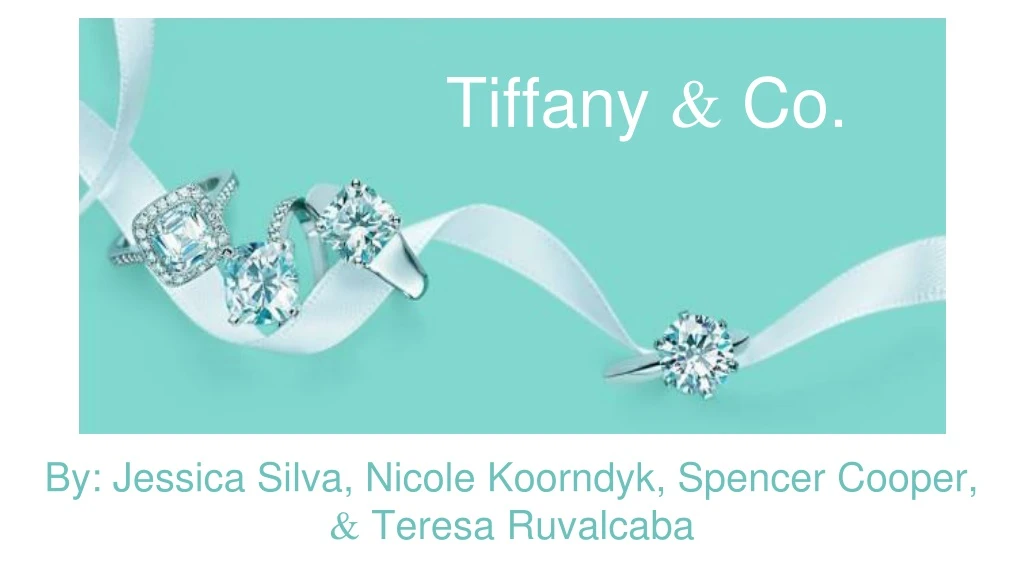
Tiffany & Co. By: Jessica Silva, Nicole Koorndyk, Spencer Cooper, & Teresa Ruvalcaba
Background Information: • Founded in New York City in 1853 by Charles Lewis Tiffany & John F. Young. • Sought to become the leading competitor in the jewelry market by creating a brand that offers value, quality, superior design, & exclusivity • Target those in the middle to high income bracket • Strong brand name & customer loyalty through the infamous Tiffany Blue Box
Products: We will focus on Tiffany & Co.’s .925 Sterling Silver products • .925 describes the purity of the silver • Bracelets • Necklaces • Earrings • Rings
Bracelets: Worth Price
Price Elasticity: Price Elasticity of Demand (PED) measures how much a quantity is demanded for a product when the price changes for the product. PED = Percent change in demand for the product Percent change in price of the product
Price Elasticity Cont.: • Tiffany & Co. .925 Sterling Silver Jewelry IS Elastic • If price goes up, quantity demanded will go down • There are many substitutes for Sterling Silver Jewelry from other brands and the jewelry is considered to be an expensive luxury good, not a necessity. • The jewelry has a long life span, meaning it is not often a regular purchase
Price Elasticity Cont.: • Tiffany & Co. prices are high which causes customers to be more aware and responsive to price changes Example: If we increase the price of the I Love You band from $150 to $160 Percentage change in demand of the Product = -9.24% Percentage change in Price of the Product = 5% PED = % change in demand of the Product → -9.24% % change in Price of the Product → 5% PED = - 1.85%
Demand: • A consumer’s desire and willingness to pay a price for a specific good or service • Some factors that affect demand: • Price- amount of money given as payment for something • Competitors- a company in a the same industry that offers a similar product or service
Demand Curve: Price D1 D2 Quantity