The Constitutional Convention: Challenges in Founding the New Nation (1754–1815)
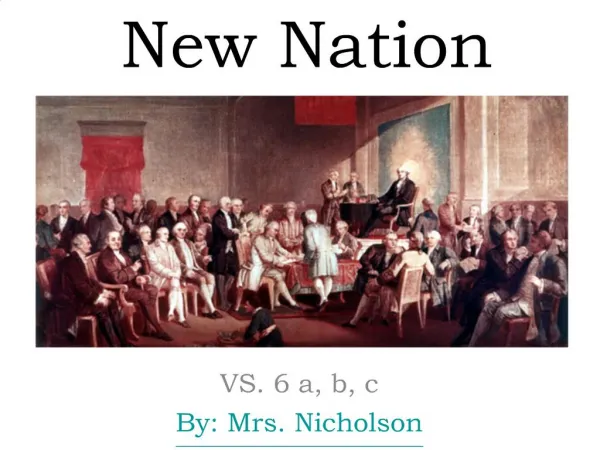
The Articles of Confederation established a national government for the 13 states, but their weaknesses necessitated urgent reforms. In May 1787, delegates from 12 states convened in Philadelphia, led by George Washington, to draft a new Constitution. This revolutionary process involved intense debates over the structure of government, checks and balances, and the Bill of Rights. Despite the innovation of the Constitution, there were doubts about its longevity and effectiveness. Key decisions still loomed as the nation sought unity and stability amidst uncertainty.

The Constitutional Convention: Challenges in Founding the New Nation (1754–1815)
E N D
Presentation Transcript
The New Nation Revolution and the New Nation (1754–1815)
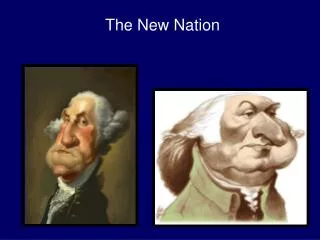
Key figures Who else do you think played an important role?
Call for action The Articles of Confederation created a national government for the 13 states, but many of the articles resulted in this government being weak and ineffective. Fears of unrest and instability forced the delegates of the states into action. Delegates from 12 states gathered in Philadelphia for the Constitutional Convention in May 1787. They elected George Washington to lead the discussion and quickly dropped the plan to revise the Articles of Confederation. Throughout the summer, delegates debated the best way to organize the government. What do you think would be the key areas of conflict?
Framing the Constitution Can you think of any problems with this system?
Government structure How else did these two systems differ?
Checks and balances What other checks does each branch have?
Government in practice Although the government laid down by the Constitution and the Bill of Rights was innovative, many, even George Washington himself, felt that it would not last. The Constitution had gone further than the Articles of Confederation to set the structure of government. However, it did not provide a comprehensive plan for the Founding Fathers to follow. Many decisions still had to be made and the unity of the nation remained questionable. What decisions might the government have to make?