Understanding Sediment Dynamics and Barrier Island Systems
Explore the intricate processes of sediment maturity, intertidal zones, and barrier island systems. This study highlights factors such as grain size, angularity, and sorting in sediment. It details the types of zones including swash and infiltration. Understand the primary sediment transport mechanisms, especially in the supratidal zone where wind plays a critical role. Learn about barrier environments, including the dynamic beach area and its sediment transport during storms, as well as the various structures of barrier types like spits and tombolos along passive margins.

Understanding Sediment Dynamics and Barrier Island Systems
E N D
Presentation Transcript
Which of the following INCREASES as sediment becomes more mature? • Grain size • Angularity • Sorting • None of the above
Which of the following is in the intertidal zone? • Swish zone • Swash zone • Infiltraton zone • Ripple zone
What is the main sediment transport mechanism in the supratidal zone? • Wind • Waves
Summer Profile • Winter Profile
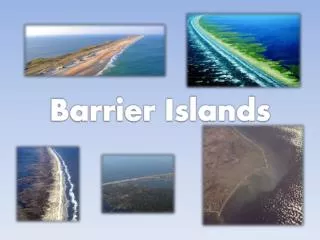
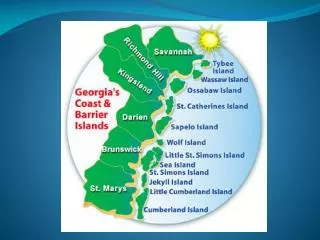
Barrier Island Systems • Common along Passive Margins • <100m to kms in width • Sand is most common material • Gravel common in glacial terranes
Long-shore current: moves down beach as a result of waves coming into beach at an angle
Barrier Environments • Beach • Dynamic part of barrier • Sediment moves in and out of beach with storms • Barrier Interior • Frontal dune ridge, secondary dunes • Landward Margin • Intertidal sand or mudflat • Overwash deposits
Barrier Types • Barrier Spits