Garden Project: Engaging 6th-8th Graders in Sustainable Food Practices
110 likes | 212 Vues
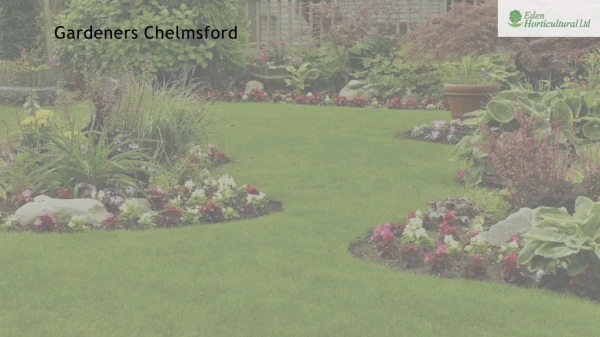
This innovative summer program engages students in grades 6-8 by utilizing the underused greenhouse in the courtyard. The project aims to introduce them to healthy, sustainable food while encouraging interaction with nature and enhancing their scientific knowledge. Through activities like growing herbs and greens, forming an after-school gardening club, and collaborating with local venues for showcasing produce, students will practice scientific inquiry, make observations, and confront real-world challenges. Ultimately, they'll develop ownership of their learning and contribute positively to their community.


Garden Project: Engaging 6th-8th Graders in Sustainable Food Practices
E N D
Presentation Transcript
MS 88 Gardeners Project By: Esther Chu CTGE 5634 Summer I 2010 Professor Craven
Introduction • Intended for 6th-8th grade • Utilizes the currently unorganized greenhouse in the courtyard
Rationale • The project is intended to… • Introduce students to healthy, sustainable food • Let students to interact with nature • Teach the scientific curriculum • Confront students with real world questions
Logistics • Use containers to grow plants • Put together an after-school club • Up-keep greenhouse • Conduct more in depth scientific investigations • Grow seedlings to sell/showcase at local venues
Logistics mint • Plants for 1st and 2nd marking periods include herbs and greens • Approx. 40-60 days to grow • Use methods from Earthbound Farms at www.ebfarm.com basil
Logistics • Showcase venues include Farmers Market, Open Houses, and Community Days
Resources (Trips) • Community garden (6th & 15th) • GreenNYC Farmer’s Market
Resources (Trips) • Columbia’s Sustainable Garden: Kristinia Gsell • Set up a visit for Fall 2010 • Park Slope Farmer’s Market • Contact: Miriam Hass/Rebecca Pedinotti • Set up a showcase for Spring 2011
Alignment to the scientific curriculum • Project-Based Inquiry activity • Students will be food scientists • They will make scientific observations, inferences, and hypotheses. • They will also design experiments, collect data, and draw conclusions.
Alignment to the scientific curriculum • Importance of quality soil • Effects of pesticides on soil • Plant anatomy • Photosynthesis • Energy flow • Food chain • Carbon Footprint • Sustainability
Goals • Make student confront challenging, real-world questions • Allow students and teachers to work as partners in tacking a project that involves their community • Ultimately allow students to take ownership of their own learning