Conceptualizing Interaction: Understanding Design and Usability in User Experience
130 likes | 246 Vues
This document explores the intricacies of understanding and conceptualizing interaction in design, focusing on the importance of clarity regarding what, why, and how to create a user-centered problem space. It emphasizes the need to recognize usability and user experience goals while developing conceptual models that reflect user needs. Activities include evaluating the potential of developing an open-source browser by addressing existing shortcomings in current solutions. The document encourages a deep dive into user interactions and paradigms, fostering innovative design solutions that enhance user engagement.


Conceptualizing Interaction: Understanding Design and Usability in User Experience
E N D
Presentation Transcript
Models, Metaphor, Paradigms Dr. Dania Bilal IS 588 Spring 2008
Understanding and conceptualizing interaction • Good interaction is based on a clear understanding of • What • Why • How • Benefits • Time and money saving
Problem space • Understanding nature of problem space to be designed • Conceptualize what, why, and how you will create the space • Think about how the design will support users
Understanding problem space • Clarify usability and user experience goals to solve problem space • Make assumptions and claims Class Activity • Scenario: There is a need to develop an open source browser. Think through why such a tool will be useful? • What are your assumptions? (think of what’s wrong with existing browser and how creating an opn source one will solve the problems) • Highlight problematic concerns to identify ideas to be reworked with the new browser
Conceptual model • Is a description of the proposed design • Made • Integrated ideas and concepts about • What should system do? • How should system operate/behave? • How should system look like? • Can system be understood by intended users?
Developing conceptual models • Envision proposed system based on user needs identified • Think: what will users be doing? • Decide on modes of interaction • Identify nature of user activities to support • Identify style of interaction to incorporate in proposed system
Developing conceptual models • Think of concrete solutions • Flesh-out: • explore possible design solutions • Evaluate good and bad about each solution • Adopt best solution • Always have alternative solution
Types of conceptual models • Models based on activities • Models based on objects
Models based on activities • Instructing • Conversing • Manipulating and navigating • Exploring and browsing
Models based on objects • Focus on way an object is used in a particular context • Often based on an analogy or physical objects in the real-world • Students to give examples????
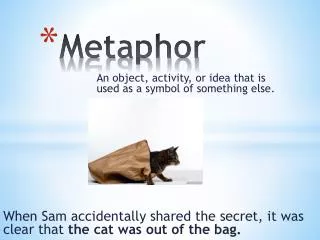
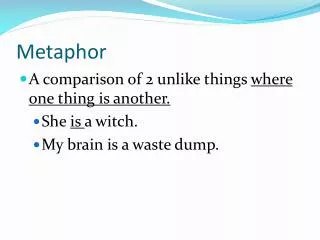
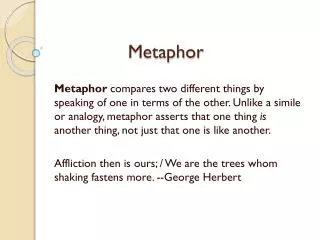
Interface metaphors • Based on conceptual models • Intend to explain something unfamiliar/hard to understand by combining familiar knowledge that is easy to understand Class activity: Use a browser and identify the functions employed that are based on familiar knowledge.
Interaction paradigms We will cover this topic next week along with Understanding Users