Understanding Elements, Compounds, Mixtures, and Solutions in Chemistry
This article explores the fundamental concepts of elements, compounds, mixtures, and solutions in chemistry. An element is a substance made of only one type of atom, like copper or iron. Compounds consist of two or more elements combined chemically, such as water (H2O). Mixtures are combinations of different substances where each retains its own properties, like salad dressing. A solution is a type of mixture where one substance is dissolved in another, like saltwater. Understanding these concepts is essential for studying chemistry and its applications.

Understanding Elements, Compounds, Mixtures, and Solutions in Chemistry
E N D
Presentation Transcript
Elements Compounds Mixtures
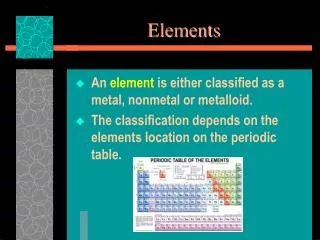
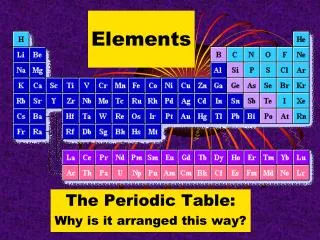
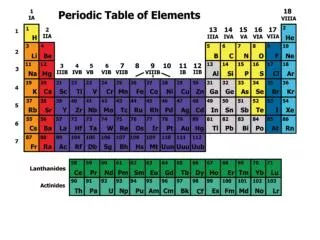
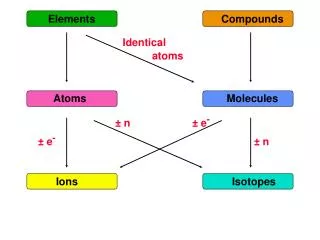
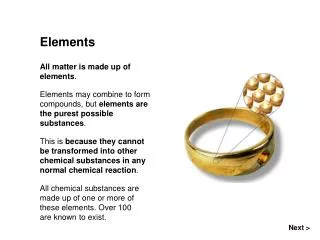
Element – Substance that contains only one type of atom. Example: Copper, Iron, Sodium
Chemical Properties– Characteristics of an element or compound that determine how it will react with other elements or compounds. • Physical Properties – Characteristics of an element or compound that affect weight, color, etc., but don’t affect how it will react with other elements or compounds.
Compound – Type of matter, with two or more chemically combined elements, having physical and chemical properties different from each of the elements in it. (Example: Water, H2O) • Molecule – Smallest particle of a compound that still keeps all the properties of the compound; formed by the combining of two or more atoms.
Mixture – A combination of different substances in which each of the components keeps its own physical and chemical properties despite being mixed. (Example: Salad Dressing, Oil and Vinegar) • Solution – A kind of mixture formed when one substance is dissolved in another. (Example: Salt Water)