The Impact of Breastfeeding on Childhood Asthma Risk
60 likes | 198 Vues
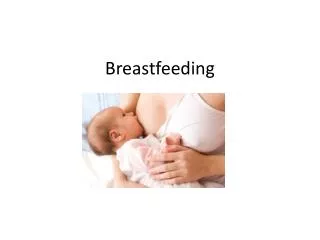
Can breastfeeding lower asthma risk in children? Asthma, a chronic disease affecting airways, causes wheezing, coughing, and chest tightness. It's a leading cause of school absenteeism and hospitalization among children. Research suggests that breastfeeding for at least 4 months significantly reduces the risk of childhood asthma. Each additional month of breastfeeding can lower asthma risk by around 4%. The immune factors in breast milk, such as secretory IgA and TGF-beta-1, contribute to lung health and reduced wheezing. Learn more about the protective effects of breastfeeding.


The Impact of Breastfeeding on Childhood Asthma Risk
E N D
Presentation Transcript
Breastfeeding and Asthma By: Lindsay Harr ALHE 4060 904-20071
Childhood Asthma • Asthma is a chronic disease that effects the airways, causing them to be inflamed. • Symptoms: wheezing, coughing, chest tightness, and shortness of breath • Asthma was one of the leading causes of school absenteeism in 2002 (CDC 2007). • Asthma is the third ranking cause of hospitalization among children (CDC 2007).
Breastfeeding and its effects on asthma… • Breastfeeding for at least 4 months can significantly reduce the risk for childhood asthma during early ages. • Additional months of breastfeeding can reduce the risk about 4% for each month after the fourth month. • Doctors usually recommend breastfeeding for the first 6 months.
What is in the Breast Milk? • Secretory IgA are found to alter immunity and maturation of organs such as the lungs. • Soluble CD14, a substance inversely associated with total serum IgE. • TGF-beta 1, cytokine found in breast milk is known to reduce the risk of wheeze.