Download
1 / 15
150 likes | 284 Vues
This analysis explores the profound impacts of industrialization on global manufacturing production, rural and urban populations, and workers' employment and real wages from 1870 to 1940. It examines social theories such as Social Darwinism, the rise of influential business figures like Carnegie and Rockefeller, and the ideological justifications for wealth and poverty. The period saw significant shifts, including the development of the middle class, changes in education policies, and increased leisure opportunities, all shaping the modern socioeconomic landscape.

E N D
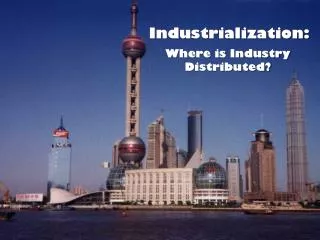
Percentage Distribution of the World's Manufacturing Production, 1870 and 1913 (percentage of world total)
Social Impacts • Social Darwinism—based on natural selection (strong will survive) • Economy—Strongest businesses will succeed and weakest businesses will naturally fail (natural law). No government intervention like the Sherman Antitrust Act and Interstate Commerce Act • Society—Justified wealth and rationalized poverty (rich=strong, poor=weak/lazy) • Horatio Alger
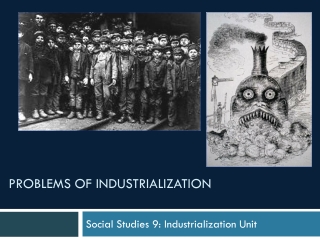
Robber Barons • Negative view of “captains of industry.” Robber barons made millions, while workers made little and competition was destroyed. • To try to change this view, Carnegie, Rockefeller, and Morgan made large contributions to various charities. • Carnegie—Wealth and Its Uses
Education • More opportunities became available • Government required schooling • Reduction in child labor • More higher education opportunities too
Leisure Time • Middle class develops • More disposable income • Amusement parks, baseball, movies, etc.