The Rise and Fall of Hwang Woo-suk: A Cautionary Tale in Stem Cell Research
180 likes | 289 Vues
Hwang Woo-suk, a prominent stem cell researcher at Seoul National University, gained fame after successfully cloning a dog, which led to major advancements in regenerative medicine. However, his prestigious reputation crumbled due to allegations of scientific misconduct surrounding his 2004 and 2005 publications in *Science*. Investigations revealed data falsification, unethical use of ova from research members, and misrepresentation of results, culminating in his suspension, loss of professorship, and legal repercussions. This case highlights critical ethical lessons in scientific research.


The Rise and Fall of Hwang Woo-suk: A Cautionary Tale in Stem Cell Research
E N D
Presentation Transcript
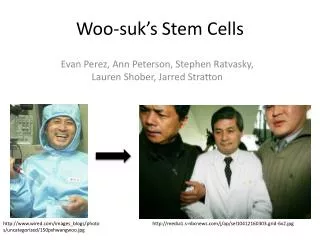
Woo-suk’s Stem Cells Evan Perez, Ann Peterson, Stephen Ratvasky, Lauren Shober, Jarred Stratton http://www.wired.com/images_blogs/photos/uncategorized/150pxhwangwoo.jpg http://media1.s-nbcnews.com/j/ap/sel10412160303.grid-6x2.jpg
Background Information • Hwang Woo-suk • PI at Seoul National University • Successfully cloned dog, showing techniques had validity • Major funding from South Korean government • Major paper published in Science in 2005 • Embryonic cell lines from human blastocysts • Great advance in treatment possibility http://www.nbcnews.com/id/10826359/ns/health-cloning_and_stem_cells/t/journal-retracts-disgraced-stem-cell-papers/#.Ub5WN_aY70s
Background Information • Accused of scientific misconduct • Investigation launched by Seoul National University • Focused on 2004 and 2005 Science Publications • Results of investigation http://www.uni.edu/studyabroad/sites/default/files/Seoul%20National%20University.
Ethical Concerns • Use of Embryonic Stem Cells • Use of Cells from a fellow researcher/donors not told of possible dangers of procedure • Falsification of data http://www.acfe.com/ethics-and-compliance.aspx
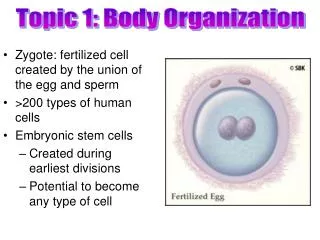
Use of Embryonic Stem Cells • Highly contested topic • Harvest of cells from living fetus causes termination • Some people believe that terminating the life of a fetus is immoral • Why not use stem cells from adults? • Fetal Stem Cells have a higher potency than adult stem cells • Can differentiate into a broader range of cells – seemingly more possibility for use in regenerative medicine http://danabush15.files.wordpress.com/2010/10/stem-cell.jpg
Use of Researcher’s Ova • Research was done on ova (eggs) from members of the research group • Claimed unpaid; actually paid • Coercion • Paper claimed 185 ova, laboratory notes showed 273
Donor Safety • Willing hosts not informed of possible side-effects • Some women had problems after the procedure • Why? • Lack of resources • “’We needed a lot of ova for the research but there were not enough ova around’” – Woo-suk
Falsification of Data • Made claims that he had no data to support • Claimed multiple cell lines; only one • Photographs of same cell line, passed off as multiple • Fabricated DNA fingerprinting data • Lying, in itself, is immoral • Used this data to apply for grants • Wrongfully won this money - embezzlement Woo-Suk, et al. Science. 17 June 2005.
Consequences of Misconduct • February 9, 2006 • Hwang is suspended from research within the university without pay • March 20, 2006 • Hwang is relieved of his professor position at Seoul National University • South Korea prevented Woo-Suk from resigning for investigative purposes http://www.solarnavigator.net/images/human_clone_pioneer_hwang_woo_suk_genius_time_magazine_cyber_wars.jpg
Consequences of Misconduct • May 12, 2006 • Woo-Suk indicted on charges of fraud, embezzlement, and (the most important) bioethical violation • Took 2.8 billion won ($3 million) for illegal ova and personal use • Serious crimes not only in ethics but are very serious felonies in the court of law
Consequences of Misconduct • Woo-Suk sentenced to two years (suspended) prison term • October 26, 2009 • 6 months of term was removed from an appeals court in South Korea • Embezzlement and bioethical misconduct • Fraud was dropped from the charges http://www.northlandchurch.net/_pdf/homework/jail_photo.jpg
Recommendations: Actions that should have been taken • Informed consent • Schatten should have had been involved • Closer peer review • Researchers should have reported ethical breaches • Greater governmental supervision
Prevention:How we can stop Fraudulent Research • Proper reporting of potential fraudulence and data falsification • Ensure accuracy of coauthors data • Increased skepticism when evaluating groundbreaking research • Mandatory informed consent • Barring of donation by researchers
Lessons Learned: Where to go from here • Increased attention to ethics and validity of data • Ability of scientists to police self • Importance of whistleblowers • Ambition can go too far • Importance of honesty
Conclusions • Woo-sukcommitted multiple ethical breaches • Punished for these breaches • Actions by others could have prevented breaches from occurring • Many ways we can prevent these type of breaches • Important lessons can be drawn from this case
References • Hwang, Woo Suk, et al. "Evidence of a Pluripotent Human Embryonic Stem Cell Line Derived from a Cloned Blastocyst." Science 303.5664 (2004): 1669-74. Web. • Hwang, Woo Suk, et al. "Patient-Specific Embryonic Stem Cells Derived from Human SCNT Blastocysts." Science 308.5729 (2005): 1777-83. Web. • "Text of the Report on Dr. Hwang Woo Suk." 2006.Web. 13 June 2013 <http://www.nytimes.com/2006/01/09/science/text-clonereport.html?pagewanted=all&_r=0>. • Raiciu, Tudor. "Scientific Scandal in South Korea." 2005.Web. <http://news.softpedia.com/news/Scientific-Scandal-in-South-Korea-15020.shtml>. • "Disgraced Korean Cloning Scientist Indicted". New York Times. May 12, 2006.
Questions http://ncncs.files.wordpress.com/2013/04/ethics.jpg