
SlideServe
Menu
Préférences
© SlideServe · v2026

The Wolf

lonato avatar
10 diapositives · 479 Views · Jul 23, 2014

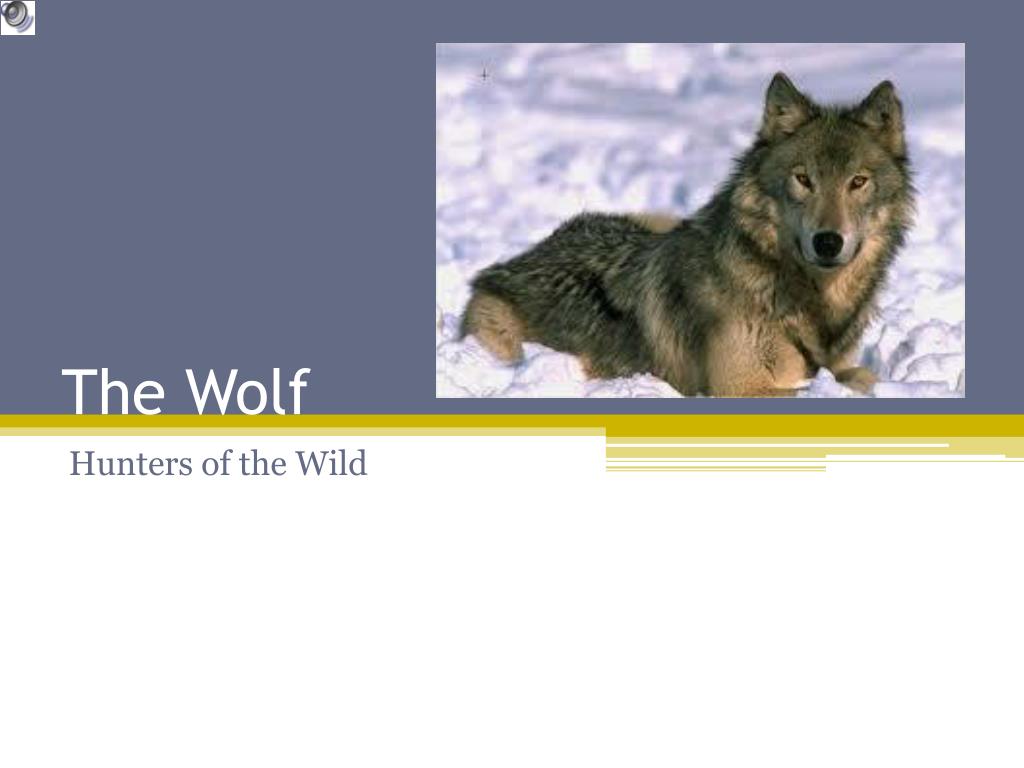
The Wolf. Hunters o f the Wild. History. The Wolf, Grey Wolf or Timber Wolf is the largest canine carnivore. The dog family is thought to have evolved from the wolf of a common ancestor. The Family. Dogs Coyotes Arctic Fox Jackals Dingoes. The Hunt For Food.
The Wolf - slide 1
01 / 10The Wolf
1 / 17

Télécharger la présentation

The Wolf
Une image / un lien ci-dessous est fourni (tel quel) pour télécharger la présentation

Politique de téléchargement : le contenu du site vous est fourni TEL QUEL pour votre information et votre usage personnel ; il ne peut être vendu, concédé sous licence ni partagé sur d’autres sites sans l’accord de son auteur.Le contenu vous est fourni TEL QUEL, pour votre information et votre usage personnel uniquement. Téléchargez la présentation en cliquant sur ce lien. Lors du téléchargement, si vous ne parvenez pas à télécharger une présentation, l’éditeur a peut-être supprimé le fichier de son serveur.Pendant le téléchargement, si vous ne parvenez pas à obtenir une présentation, le fichier a peut-être été supprimé par l’éditeur.

F I N

Plus de contenu associé

Transcription de la présentation
  1. The Wolf Hunters of the Wild

  2. History • The Wolf, Grey Wolf or Timber Wolf is the largest canine carnivore. • The dog family is thought to have evolved from the wolf of a common ancestor.

  3. The Family • Dogs • Coyotes • Arctic Fox • Jackals • Dingoes

  4. The Hunt For Food • Wolves hunt in packs and are able to overcome large animals such as elk and deer. • They also eat game birds, waterfowl, rabbits, and smaller rodents. • Other species such as the Bald Eagle will excel on their leftovers. Wolf eating their prey.

  5. Predators • Their only predator is man • Starvation and disease are their other biggest killers. • Car accidents will take their toll. • Bears will sometime eat the young cubs. • Fighting among the packs will deaths. Wolf hunting.

  6. Hunting • Wolves will hunt in a pack. • They will take turns running their prey for hours. • Some prey just quit, and let themselves be killed after the constant stalking. Wolf hunting for prey.

  7. Family Planning

  8. Communications Wolves Communicate vocally, using whines, whimpers, growls, barks and howls. Howling • Whines indicate pain or submission. • Growling indicates anger or aggression. • A bark is a warning sign. • Howling is used for gathering the pack for a hunt. • Howls are the most enigmatic and fascinating noise made by wolves. • For some humans it is a voice of the wilderness. For others it is the sound of evil that strikes a chord of fear and hatred.

  9. The Future Whether you like or hate the wolf, they are a graceful, deadly animal that is part of our history and should be part of our future.

  10. The End