Embracing BYOT: Transforming Classrooms with Student-Owned Technology
The BYOT (Bring Your Own Technology) program empowers students to bring their own devices for educational purposes, enhancing classroom engagement and learning experiences. Reports indicate that 67% of students feel barriers to using technology in education, with many desiring to use their personal devices. Implementing BYOT can foster higher-order thinking and innovative instructional strategies, such as flipped classrooms. However, schools must address technical considerations, including network capacity and access controls, to ensure a smooth transition and effective integration of student technology.

Embracing BYOT: Transforming Classrooms with Student-Owned Technology
E N D
Presentation Transcript
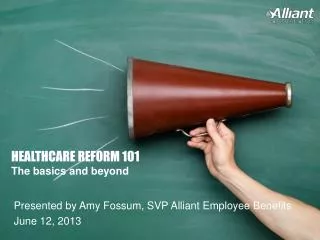
BYOT “BASICS” • HOKE WILCOX, ITS KSU hokewilcox@gmail.com
NOT what your district will look like after you openly acknowledge BYOT
Tech Policy Central District School
BYOT • At it’s essence BYOT is simply allowing students to bring their own technology to use OPENLY the classroom for instructional use.
Speak Up! 67% 64%
What do students believe is the greatest barrier to using educational technology? • 53% say not being able to use their own cell phone, smart phone, or MP3 player for learning in school
Project RED • Data was pulled from a survey of almost 1,000 schools in 49 states and Washington. Findings focused on school-level data instead of district-level data in order to get as close as possible to the students, teachers, and principals, according to the report.
Project RED • 9 factors that most strongly link technology to educational success • Of those nine, five could be directly supported by implementing BYOT
BYOT in your schools...your choices... • SUDTSBYOT (Subversive, underground, double top secret, bring your own technology) • BYOT
BYOT Truths • It’s already happening! • It will accelerate.
BYOT’s Considerations • Educational • Technical
Educational Considerations • Achieve 1:1 for less money • bring technology integration to whole new level because of access • Will you need to structure PD instructional strategies with 1:1?
Educational Considerations • Allows teachers to address higher order thinking skills and ask questions that aren’t necessarily “Googleable” • How about new instructional ideas....Flip Your Classroom? Hands on activities where students wrestle with tough questions during class time and listen to lectures and read notes at home...
Technical Considerations • Potentially less desktops/laptops to support because students are bringing their own access to school...do we need beige boxes any more or....computer labs? • What applications do students need access to? Could they achieve some of this using free tools like Google Docs? • Potentially more traffic on your network because of the increase in devices
Technical Implications • What are the tech policies that should be in place? • Are you going to implement aVLAN for wireless devices? • Can you control where students go if the bring their own access? • How should you determine which technologies should be allowed in school?
Technical Considerations • Can you save money on desktop licensing? • Could you use implement something such as XenDesktop with the students’s laptops? • Who supports what?