Microarray Background
This study explores the application of microarrays in genomic expression analysis, focusing on oxidative stress genes in Saccharomyces cerevisiae. By enabling the simultaneous examination of thousands of genes, microarray technology plays a crucial role in identifying mutations and variations in genetic expression. The foundational experiments compare gene expression between long-term and short-term survivors of B-cell lymphoma, paving the way for enhanced understanding of gene interactions and their implications in disease prognosis and treatment.


Microarray Background
E N D
Presentation Transcript
Microarrays – A New Revolution: Genomic Expression Analysis of Oxidative Stress Genes in Saccharomyces cerevisiaeDana AricoBetsy Karle Jeff Kucharski Kumo LarteviDr. Terrie Rife
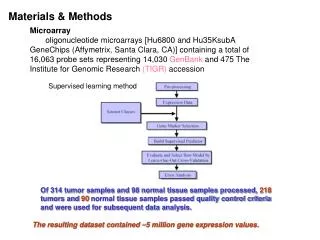
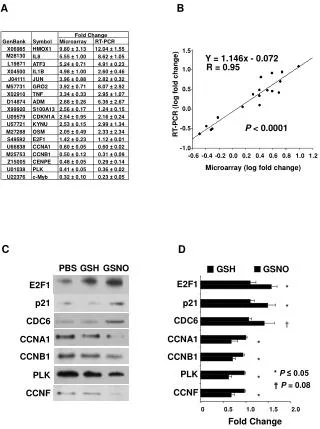
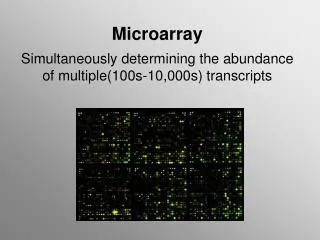
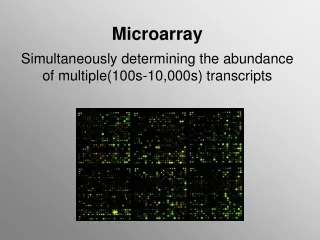
Microarray Background Allows researchers to analyze the expression of thousands of genes at one time. This technique can be used to identify and analyze mutations in DNA Model organisms, whose genome has been completely sequenced, are used in microarray experiment.
First Microarray Experiment • Was performed by researchers from the NIH, Stanford University, and others • Wanted to compare gene expression of patients with B-cell Lymphoma • Patients fell under two categories: • Long-term survivors • Short-term survivors
Preparing the DNA Chip Cloning & Sequencing cDNA Robotic Printing Arrayed Genes
Preparing the Samples Long-term Survivors / Short-term Survivors Extraction RNA RT reaction cDNA & Labeling
The Whole Picture Labeled cDNA Arrayed Genes Hybridization Hybridized Array
Gene Expression Long-term survivorsShort-term survivors 1) I 1) 2) II 2) II 3) 3) I I I II II I I I