The Impact of Illegal Off-Roading on Forest Ecosystems
Illegal off-roading poses a significant threat to forest ecosystems, particularly in areas like the Michaux State Forest in Pennsylvania. This activity leads to severe soil erosion and compaction, negatively affecting plant growth and water quality. Contaminants from vehicles pollute the water table, increasing turbidity and harming aquatic life. To combat these issues, responsible off-roading practices must be adopted, including proper trail design and vehicle maintenance. Community involvement and support for organizations like the Blue Ribbon Coalition can help mitigate these harmful effects.

The Impact of Illegal Off-Roading on Forest Ecosystems
E N D
Presentation Transcript
Illegal Off Roading A threat to forest ecosystems Luke Parr Lwp5031@psu.edu
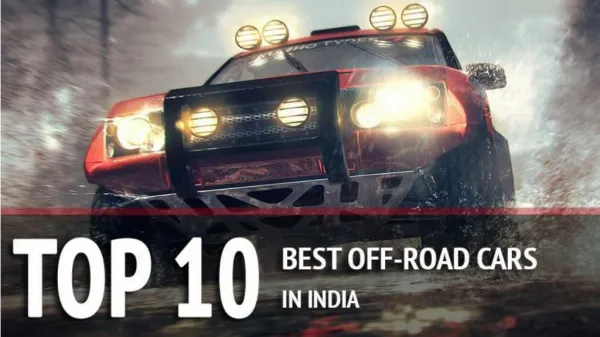
Introduction • Off Roading: A term for driving a specialized vehicle on unpaved roads, such as sand, gravel, riverbeds, mud, snow, rocks, and other natural terrain. • Also known as: • Mud bogging • Trail riding • Four-wheeling • Wheeling
Why is it a problem? • Illegal and irresponsible off roading can cause: • Soil erosion • Soil compaction • Increase water turbidity • Decrease overall water quality • Introduce pollutants (Oil, gasoline, coolant)
Who is to blame? • Off roaders who: • Don’t know they’re trespassing • Ride around blocked roads • Ride on open previous timber sale roads • Intentionally create trails on state forest lands
Where is this happening? • Primarily in and around the Michaux State Forest in Adams County, Pennsylvania on: • Previous logging roads • ATV trails • Snowmobile trails
Soil Erosion • Soil Erosion: The movement of topsoil from one location to be settled in another. • Accelerated by human activities • In the case of off roading the vehicle’s aggressive tires are what cause soil erosion (ruts, holes, slopes).
Soil Compaction • Soil compaction: When soil is compressed, causing it to lose pore space. • Caused by repeated vehicle activity on forest roads. • Damages plants: • Less pore space for water • Less pore space for air • Inhibits growth and • development
Reduced water quality • Contaminants can seep into the water table, such as: • Oil • Coolant • Gear oil • Transmission fluid • Water turbidity = increases • (cloudiness of water)
Responsible Off Roading • How? • Requires proper trail design/vehicle maintenance/techniques • Grating at all water crossings (reduces turbidity) • Vehicle maintenance (no leaks) • Design to avoid water sources (if possible) • Repair trails (level-off/remove ruts) • Prevent soil erosion (barriersand vegetative cover)
What can you do? • Attend informational meetings • Volunteer to help repair old logging trails • Support responsible off roading organizations such as: • Blue Ribbon Coalition • Tread Lightly!
Alternatives • Practice responsible off roading on your land or a neighbors (with permission!) • Start a petition! • To start a legal off road park in your area! • Visit a legal off road park – Two in PA! • Rausch Creek • Paragon Adventure Park • Or…make your own! • Create and manage your own off road park!