Download
1 / 26
260 likes | 376 Vues
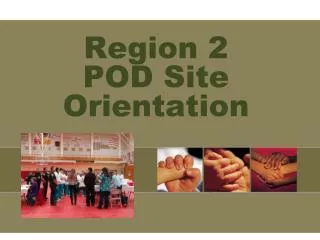
A Point of Distribution (POD) is essential during public health emergencies to swiftly distribute medicine, ensuring community access to treatments like injections or pills. PODs activate during severe situations, such as smallpox outbreaks or bioterrorism, and can also be utilized in less critical times, like H1N1. School nurses play a vital role by supporting POD operations, answering questions, and providing information. Region 2 hosts 22 POD sites, primarily located in schools, each with comprehensive plans to facilitate effective medicine distribution while maintaining security and organization.

E N D
What’s a POD? • A POD is a Point Of Distribution • Used to distribute medicine during a public health emergency • Medicine may be: • An injection or • A bottle of pills • PODs are not for sick people, not a medical model
When Will PodsBe Used? During extreme public health emergencies when everyone in the community must be treated very quickly, like smallpox or a bioterrorism attack But, they can also be used in less urgent situations, like H1N1
What Will School Nurses Need To Do? • Some nurses may volunteer to work at POD sites or other places in their communities • Schools will likely be closed, but if they aren’t: • Answer questions from parents, students and staff • Provide information to Health Department
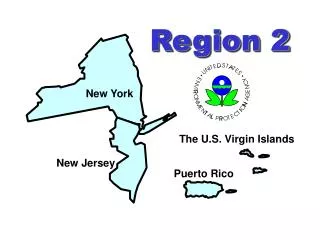
Where are the PODs? • Region 2 has 22 POD Sites • At least 1 in each County • Most are at Schools
Every site has a plan Nurse Managers & Emergency Preparedness Staff have copies Plans have been reviewed with Emergency Managers and Law Enforcement Confidential! Not to be shared! POD Plans
Plan Contents • Contacts • Staffing • Traffic Flow • Layout • Security • Contingencies • Checklists • Supply Orders
Greeting Station • Provide forms and instructions • Initial information • Answer simple questions • Identify symptomatic persons • Staffing: 1 Support Staff
Form Completion Station • Space to complete forms • Staffing: None
Screening Station • Review forms • Determine appropriate vaccine • Screen for contraindications • Answer questions • Identify symptomatic persons • Staffing: 1 Medical Staff
Crowd Control • Directs clients to Treatment Stations • Keeps clients moving • “Tail Tweakers” • Identify symptomatic persons • Staffing: 1 Support Staff
Treatment Station • Administer prophylaxis • Information and education • Answer questions • Screen for contraindications, • Identify symptomatic persons • Staffing: 4 Medical Staff
Other Staff • Security • Crowd Control • Management • Support
Security • Staff Security • Access Control • Asset Protection • Response
Crowd Control • Keeps people moving • Provides basic information • Maintains awareness
Management • Organization • Supervision • Record Keeping
Support • Supply • Maintenance • Communications • Care for Clients • Special Needs