Understanding Land Usage: Human Impact on Ecosystems and Natural Resources
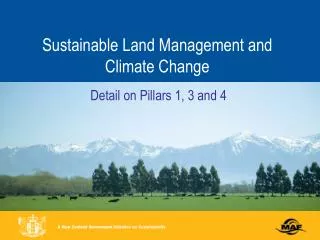
Land is utilized for various purposes, including residential, agricultural, industrial, commercial, and wild spaces. Each type of land usage alters the native ecosystem, affecting biodiversity. From suburban sprawl to large-scale agriculture, human activities impose challenges like pollution, waste generation, and habitat destruction. The Superfund law addresses environmental clean-up, ensuring polluters are held accountable. True wilderness areas remain untouched by human influence, preserved under acts like the Endangered Species Act. This overall landscape highlights the need for balanced land management.

Understanding Land Usage: Human Impact on Ecosystems and Natural Resources
E N D
Presentation Transcript
Land Usage • We use land for several things: • Residential- Homes and living spaces • Agricultural- Land that produces food for human consumption • Industrial- Factories and places that make items • Commercial- Stores and places that make money • Wild Lands-Land that is not used for anything, but allowed to be natural and wild.
Land Usage • Any time that humans use land, they change the native ecosystem. • Forests become grasslands (NYS), deserts become grasslands (Las Vegas) • This can change the biodiversity of an ecosystem Desert Rose Golf Club, Las Vegas Just outside Las Vegas
To have a place to live (residential) To grow food (agricultural) To have a place to make stuff (industrial) To have a place to buy stuff (commercial) Why Do Humans Change the Ecosystems?
Residential Issues • Houses take up space! AND people want lush green grass yards! • Suburban sprawl-The spread of housing developments around the outside of cities • Often built on wetlands • Generate tons of solid waste (waste that is solid)
Agricultural Issues • A lot of land is used to grow just one kind of plant (crop) • Often harsh chemical pesticides and fertilizers are used • These pesticides can runoff and containment water supplies
Industrial Issues • Industry uses a lot of water…195 billion gallons of water per day. • Industry also has to get rid of its waste products. To do this cheaply, they just dump the wastes into the nearest stream… • This causes pollution, and is illegal, but its expensive to get rid of the waste ecologically, so some companies still pollute.
Superfund • Superfund is a law • It states that when the EPA identifies polluters, they can make those polluters clean up the pollution • OR make the polluters pay to have it cleaned up. • Sometimes, they can’t find or make the polluters pay though • The money for Superfund comes from taxes on oil and energy companies
Commercial Issues • Commercial properties take up SPACE. • This is space that organisms can’t use anymore. • Also, commercial properties produce a lot of waste, both water and solid. • Parking Lots!
Wild Spaces • Parks are NOT wild! They are gardens, where humans sculpture them for their own uses. • True wilderness areas are free from the direct influence of humans • The Endangered Species Act of 1972 preserves the habitat (land) of endangered species