Download
1 / 16
160 likes | 271 Vues
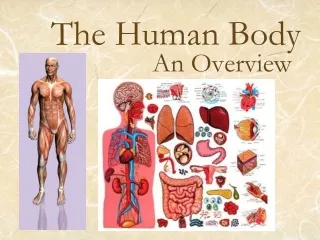
This comprehensive overview explores the intricate interactions among human body systems, including the organization of cells, tissues, organs, and organ systems. We delve into essential inorganic and organic compounds necessary for bodily functions, focusing on minerals, carbohydrates, nucleic acids, proteins, and lipids. Additionally, we examine major body systems such as the integumentary, muscular, skeletal, nervous, endocrine, circulatory, lymphatic, respiratory, digestive, and urinary systems, and discuss the critical process of homeostasis that helps maintain balance and stability within the body.

E N D
The Human Body Interactions of Human Systems
Organization in Organisms Organism Organ System Organ Tissue Cell
Vocabulary • Cell: smallest functional unit in an organism • Tissue: Groups of similar cells that do the same job • Organ: Structure made up of different types of tissues that work together • Organ System: A group of organs that work together to do a certain job
Needs of the body • Inorganic substances • Minerals – involved in chemical reactions • Examples: calcium, potassium, sodium • Water – involved in nearly every bodily function
Needs of the body • Organic Compounds – compounds containing carbon • Carbohydrates – Main source of energy for living things • Starches, pasta, potatoes, rice, sugars • Nucleic Acids – large, complex; store information in the form of code • DNA, RNA • Proteins – make up structural parts of the body, such as hair, nails, skin, muscles, and blood vessels • Lipids – stored in the body as energy reserves • fat and oils
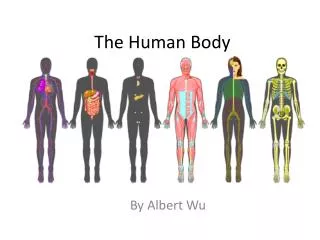
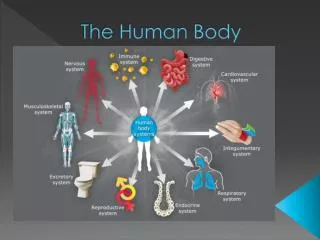
Systems • Integumentary • Skin • Protects the body • Prevents water loss
Systems • Muscular • Muscles • Movement of the body • Attached to bones
Systems • Skeletal • Bones • Support • Protection of soft body parts
Systems • Nervous • Brain, spinal cord, nerves • Controls mental and bodily functions
Systems • Endocrine • Pancreas, pituitary gland • Controls homeostasis • Releases hormones
Systems • Circulatory • Heart, blood vessels • Transport of materials to and from body cells • Oxygen, carbon dioxide, nutrients, wastes
Systems • Lymphatic • Spleen, thymus, tonsils • Remove dead cells and foreign bodies from body fluids
Systems • Respiratory • Lungs, trachea • Exchange of gases between blood and the environment
System • Digestive • Stomach, small intestine • Breaks down food for absorption into the blood
Systems • Urinary • Kidneys, bladder • Control of water balance • Chemical balance of the blood
Homeostasis • Process by which the body maintains a stable internal environment • The body senses changes in the environment and responds by changing its bodily functions • Example: body temperature, blood sugar, increasing heart rate and breathing when exercising