Download
1 / 71
710 likes | 842 Vues
This overview explores the intricate processes of cell reproduction, focusing on chromosome anatomy, types, and functions in the cell cycle. It covers DNA's role as the fundamental carrier of genetic information, the distinction between diploid and haploid cells, and highlights key reproductive processes such as mitosis and meiosis. Learn about chromosome types, including autosomes and sex chromosomes, and the significance of karyotype analysis. The mechanisms of genetic diversity through crossover in meiosis and the basics of sexual and asexual reproduction are also discussed.

E N D
DNA: stores all genetic information -genes:a hereditary unit of DNA -4 bases: -Adenine -Thymine -Guanine -cytosine
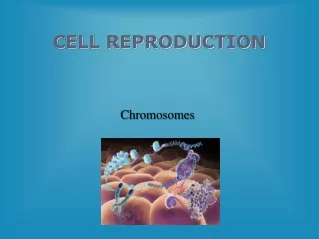
DNA in the Cell • Chromosome • Supercoil • Subcoil • One coil • DNA with histine protein • DNA
Chromosome Types • Sex Chromosomes: determines the sex of an organism -XY: male -XX: female • Autosomes: All other chromosomes of an organism
Homologous Chromosomes: two copies of each autosome – same size, shape, and genes
Karyotype: photomicrograph of chromosomes Humans have 22 pairs of autosomes and 1 pair of sex chromosomes
Diploid Cells (2n): cells with both sets of chromosomes (both homologous pairs) 46 chromosomes/23 pairs in humans
“C” words of Cytology 1. Chromosome: condensed genetic material • Chromatid: one of two identical copies of DNA • Centromere: region that joins the chromatids
“C” words of Cytology • Centrioles: cylindrical structures that assist in cell division • Centrosome: dark regions in the cytoplasm that create spindle fibers
1. Mitosis: cell division which produces 2 diploid, identical cells
Cell Life Cycle Interphase: G1, S, and G2 G = growth S = Synthesis M phase: mitosis – nuclear division Cytokinesis: cytoplasm division
Interphase 1. Interphase: DNA not visible -nucleus still intact
Phases of Mitosis • Prophase: chromosomes become visible -nucleus disintegrates
Phases of Mitosis • Metaphase: chromosomes connect at the centromere to spindle fibers -line up at the equatorial plate
Phases of Mitosis • Anaphase: spindle fibers recede -pull chromosomes apart -chromosomes retreat to opposite ends
Phases of Mitosis • Telophase: nucleus reforms Cytokinesis splitting the cell -2 daughter cells are formed
21 22 23 24
Homologous Chromosomes: same chromosomes – one from each parent
Meiosis Meiosis -produces four offspring cells of 1n -two cell division cycles (meiosis I & 2) -produces gametes -chromosomes cross over
8 Stages of Meiosis Prophase I Metaphase I Anaphase I Telophase I Prophase II Metaphase II Anaphase II Telophase II Meiosis I Meiosis II
Prophase I -Tetrads form
Metaphase I -Crossing over: exchange of genetic info between homologous chromosomes
Anaphase I -tetrads are pulled apart
Telophase I -cytokinesis occurs
Spermatogenesis: meiosis that produces sperm Produces 4 fertile cells; in humans @ 400 billion
Oogenesis: meiosis that produces egg cells Produces 1 fertile cell; about 400 in a lifetime
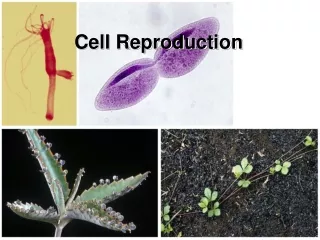
Types of Reproduction • Sexual reproduction: offspring are the result of combination of parental genetics • Asexual reproduction: no exchange of genetic information – genetically identical to parent