Download
1 / 44
440 likes | 545 Vues
This comprehensive overview of the human reproductive system details the anatomy and functions of both male and female reproductive organs. It covers the roles of gonads, the production of gametes such as sperm and ova, and the hormonal cycles that regulate reproductive processes. Key structures like the testes, ovaries, uterus, and the duct systems are explained, alongside processes such as spermatogenesis and oogenesis. This guide ultimately provides insights into fertilization, the hormonal regulation of reproduction, and the physiological significance of each component.

E N D
The Reproductive System • Gonads – primary sex organs • Testes in males • Ovaries in females • Gonads produce gametes (sex cells) and secrete hormones • Sperm – male gametes • Ova (eggs) – female gametes
Scrotum • Divided sac of skin outside the abdomen • Maintains testes at 3°C lower than normal body temperature to protect sperm viability External Genitalia
Penis Delivers sperm into the female reproductive tract • Regions of the penis • Shaft, Glans penis (enlarged tip) , Prepuce (foreskin), Folded cuff of skin around proximal end Often removed by circumcision
Ductus Deferens (Vas Deferens) Testes • Carries sperm from the epididymis to the ejaculatory duct • Moves sperm by peristalsis • Vasectomy – cutting of the ductus deferens at the level of the testes to prevent transportation of sperm
Epididymis • Comma-shaped, tightly coiled tube • Found on the superior part of the testis and along the posterior lateral side • Functions to mature and store sperm cells (at least 20 days) • Expels sperm with the contraction of muscles in the epididymis walls to the vas deferens
Seminal Vesicles • Located at the base of the bladder • Produces a thick, yellowish secretion (60% of semen) • Fructose (sugar) • Vitamin C • Prostaglandins • Other substances that nourish and activate sperm
Encircles the upper part of the urethra • Secretes a milky fluid • Helps to activate sperm • Enters the urethra through several small ducts Prostate Gland
Mixture of sperm and accessory gland secretions • Advantages of accessory gland secretions • Fructose provides energy for sperm cells • Alkalinity of semen helps neutralize the acidic environment of vagina Semen
The only human flagellated cell • DNA is found in the head Anatomy of a Mature Sperm Cell
Ovaries • Duct System • Uterine tubes (fallopian tubes) • Uterus • Vagina • External genitalia Female Reproductive System
Labia – skin folds • Clitoris • Contains erectile tissue • Corresponds to the male penis External Genitalia (Vulva)
Composed of ovarian follicles (sac-like structures) • Structure of an ovarian follicle • Oocyte • Follicular cells Ovaries
Receive the ovulated oocyte • Provide a site for fertilization • Attaches to the uterus • Does not physically attach to the ovary Uterine (Fallopian) Tubes
Fimbriae – finger-like projections at the distal end that receive the oocyte • Cilia inside the uterine tube slowly move the oocyte towards the uterus (takes 3–4 days) • Fertilization occurs inside the uterine tube Uterine Tube Function
Located between the urinary bladder and rectum • Hollow organ • Functions of the uterus • Receives a fertilized egg • Retains the fertilized egg • Nourishes the fertilized egg Uterus
Endometrium • Inner layer • Allows for implantation of a fertilized egg • Sloughs off if no pregnancy occurs (menses) • Myometrium – middle layer of smooth muscle • Serous layer – outer visceral peritoneum Walls of the Uterus
Hormones • Female • Follicle Stimulating Hormone (FSH) • Luteinising Hormone (LH) • Oestrogen • Progesterone (P) • Human Chorionic Gonadotropin (HCG) • Male • FSH • LH • Testosterone (T)
Hormones in common-FSH and LH • In females • Oestrogen and P will flucuate • When FSH and LH added triggers monthly cycle • 2 cycles • Ovarian • Uterine • In Males, puberty hypothalmus triggers pituitary • FSH and LH secreted • FSH triggers sperm production • LH triggers T production • Negative feedback
Ovarian Cycle • Monthly cycle • Hypothalmus→ Ant. Pit. → releases FSH/LH • FSH for egg development • Egg produces oestrogen, stimulates uterus and neg. feedback
Uterine Cycle • Oestrogen peaks, LH stimulated • Causes ovulation • Corpus luteum secretes P • Builds endometrium • Inhibits LH/FSH • When FSH/LH levels fall, P/oestrogen levels fall • Endometrium discarded • If egg fertilized, embryo secretes hormone that maintains P levels
Gametogenesis • Process of making gametes • What do you know?
Basics • For both sexes • Multiplication by mother cells • Growth • Maturation (meiosis) • Meiosis I - 2ºspermatocytes/ 2º oocytes • Meiosis II – spermatids/ ova
Sperm production • Seminiferous tubule (mother cell) • Mitotic division • Makes way to epidymis where stored/matured
Ova Production • Starts before birth • At puberty have about 250,000 • Ovulate every 28 days till menopause
Primary follicle – contains an immature oocyte • Graafian (vesicular) follicle – growing follicle with a maturing oocyte • Ovulation – when the egg is mature the follicle ruptures • Occurs about every 28 days • The ruptured follicle is transformed into a corpus luteum Ovarian Follicle Stages
Fertilization • What do you know? • How does it occur?
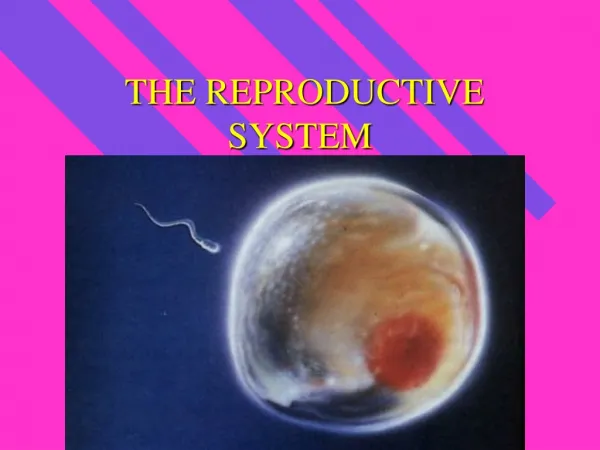
Fertilization in Mammals • Occurs internally, in fallopian tubes • Sperm deposited in vagina and travel to egg • At egg sperm must pass follicular ring and zonapellucida • Acrosome • Cortical reaction • Assures only one sperm will enter • Why important? • Sperm presence triggers meiosis II of ova, polar body released • Fertilization Animation
Invitro Fertilization • IVF= fertilizes egg outside the body • Why do it?
Infertility • Female • Sperm death • Uterus prevents implantation • Blockage of duct • Egg failure • Male • Impotence • Abnormal sperm • Short-lived sperm • Low #’s • blockage
Steps • Menstration stopped • FSH injected for super-ovulation • Semen sample • Eggs removed from ovary • Mix • Incubate • Transfer- up to 3
For tomorrow… • We will have an ethics debate • You will be divided up into smaller discussion groups of 4. • Two will be in favor and two against • We will follow-up with a class discussion
Pregnancy and early development • Fertilized embryo travels to uterus • Implantation at day 7 (100 cells) • Cells form blastomere • Mass in middle becomes baby
Gestation • 40 weeks • Embryo/fetus surrounded by amniotic sac/fluid • Outer layer of cells from blastomere develops into those and placenta
Placenta • Connection point for mom and baby • Blood never mixes • Why? • What is exchanged here?
Placenta cont… • Becomes endocrine gland • Produces HCG (pregnancy tests) • Maintains corpus luteum, keeps P and oestrogen levels up • Placenta takes over production after 16 wks • If levels drop pregnancy levels drop, aborts