The Influence of Sophism and the Old Testament on Grendel: An Analysis of Chapters 3 and 4
60 likes | 201 Vues
This text explores the concept of sophism in ancient Greece, highlighting the role of sophists in teaching rhetoric, debate, and wisdom during the 5th century B.C. It discusses key figures such as Protagoras, Gorgias, and Prodicus, alongside Socrates' challenge to their practices. The narrative then connects these ideas to the themes found in the Old Testament, such as the nature of good and evil, creation, and the significance of moral narratives. The insights gained deepen our understanding of Grendel’s character as a descendant of Cain and the complexities surrounding justice and morality.


The Influence of Sophism and the Old Testament on Grendel: An Analysis of Chapters 3 and 4
E N D
Presentation Transcript
Sophism and The Old Testament Grendel: Chapters 3 and 4
Sophists • Sophists (In Greek “sophia” means “wisdom”): Ones that are wise and that impart wisdom; wise men • 5th Century b.c. (Athens)
Sophists • Group of thinkers who taught skills of debate and rhetoric • Unlike previous teachers they charged significant fees. • Topics included rhetoric, politics, grammar, etymology, history, physics, and mathematics • Protagoras is generally considered the first sophist • Other leading 5th century sophists included gorgias and Prodicus. • Socrates was one of the first philosophers to challenge the sophists. • Unjust lawsuits, exorbitant fees caused their decline
Sophistry Today • Sophistry • the use of fallacious arguments, esp. with the intention of deceiving
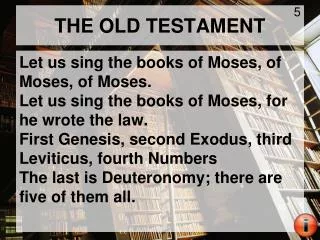
The Old Testament • God created the world • God wanted Hrothgar to be powerful and great • Good and evil came to be • Cain and Abel • Cain murdered Abel • Grendel is a direct descendant