Understanding the Art and Importance of Listening
Chapter 5 delves into the listening process, emphasizing its distinction from mere hearing. It outlines the critical importance of effective listening and identifies the four main types: active, empathic, critical, and listening for enjoyment. The chapter also analyzes barriers to effective listening such as distractions and biases and discusses gender-based differences in listening behaviors. Strategies for critical thinking, ethical listening, and practical applications in various contexts, including the workplace and classroom, are provided to enhance listening skills and overall communication.

Understanding the Art and Importance of Listening
E N D
Presentation Transcript
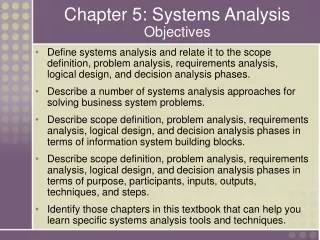
Chapter 5 Objectives • Describe the listening process • Differentiate between hearing and listening • Discuss the importance of listening • Define and discuss types of listening • Analyze barriers to effective listening
Chapter 5 Objectives • Use strategies for critical thinking • Describe gender-based differences in listening behaviors • Demonstrate effective listening behaviors in specific situations • Engage in ethical listening behavior
Link to ILA Website What is Listening ? The active process of receiving, constructing meaning from, and responding to spoken and/or nonverbal messages
What is Listening? • Not the same as hearing • Involves the ability to: • Retain information • React empathically and/or appreciatively • An active process • Involves construction, retention, and reaction to meanings we assign to information
The Listening Process • Stimulus/Sound • Attention • Selective Attention • Automatic Attention • Working Memory • Short-Term Memory • Long-term Recall/Memory
Four Types of Listening • Active Listening • Listening with a purpose
Four Types of Listening • Active Listening • Empathic Listening • Listening with a purpose and attempting to understand the other person
Four Types of Listening • Active Listening • Empathic Listening • Critical Listening • Evaluating the accuracy, meaningfulness, and utility of the speaker’s message
Four Types of Listening • Active Listening • Empathic Listening • Critical Listening • Listening for Enjoyment • Hearing and processing relaxing, fun, or emotionally stimulating information
Barriers to Listening • Noise • Physical distractions • Mental distractions • Factual distractions • Semantic distractions
Barriers to Listening • Perception of Others • Status • Stereotypes • Sights and Sounds
Barriers to Listening • Yourself • Egocentrism • Defensiveness • Experiential Superiority • Personal Bias • Pseudo Listening
Gender Differences in Listening • Purpose for listening • Listening preferences • Listening awareness • Nonverbal listening behaviors • Interrupting others
Becoming a Better Listener • Listen and think critically • Use verbal communication effectively • Use nonverbal communication effectively
Listening in the Workplace • Be self-aware • Monitor your nonverbal behaviors • Minimize interruptions • Ask nonaggressive questions • Summarize what the other says to assure you understand
Listening in the Classroom • Use lecture listening • Find areas of interest • Remain open • Work at listening • Avoid distractions • Listen for and note main ideas • Take effective notes • Listen for lecture cues
Listening to Media • Become a critical consumer of media information • Develop information literacy • Recognize when you need information • Know where to find the information you need • Check your perceptions of electronic messages
Listening in a Second Language • Develop vocabulary comprehension • Learn to recognize sounds and associate them with their meaning • Develop metacognitive skills • Decipher meanings by drawing inferences from the context • Draw parallels between English and the native language
Be an Ethical Listener • Recognize the sources of your own conversational style habits • Monitor your communication • Apply general ethical principles to your responses • Adapt to others