The System of Manorialism: Structure and Life in the Middle Ages
Manorialism was the dominant economic system from 500 to 1500 AD, centering on land as the main source of wealth rather than trade. Each manor served as the lord's estate, providing peasants with land, homes, and protection, while requiring them to farm, care for animals, and maintain roads. Manors were self-sufficient and typically housed 15 to 30 families. Unfortunately, serfs endured harsh lives, characterized by long hours of labor, heavy taxes, poor diets, and limited mobility, leading to a short life expectancy.

The System of Manorialism: Structure and Life in the Middle Ages
E N D
Presentation Transcript
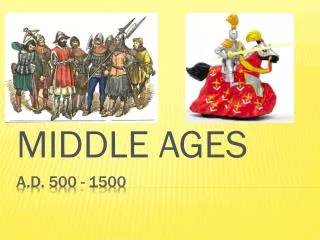
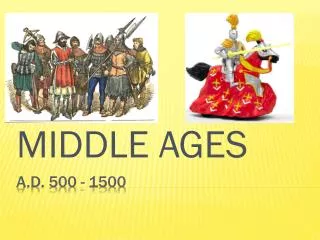
MIDDLE AGES A.D. 500 - 1500
Manorialism – land not trade or commerce was the major source of wealth The manor was the Lord’s estate & each group had rights & obligations Lord gave peasants: land, home, protection Serfs- farmed, care for animals, repaired roads and fences MANORIALISM
Manors – centers of economic life Church tax – tithe Manors were self-sufficient - raised or produced everything Usually only a few miles, but could have 15 to 30 families MANORIALISM
For serfs: Harsh Life Long hours of hard work High taxes Poor diets Short life expectancy (avg. 35) No travel (less than 25 miles) MANORIALISM