
Exploring the Americas: Origins and Encounters
E N D
Presentation Transcript
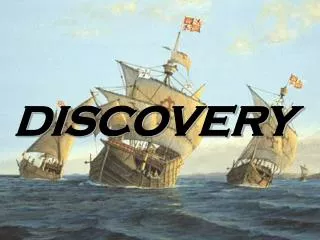
Discovery Chapter 1
Peoplingthe Continents • Where did they come from? • Northeastern Asia • About 15,000 years ago • 13,000 B.C. • Across the Bering Strait
Mesoamerica • Cultures of Ancient Mexico • Olmecs & city-building • 1500 B.C. • Mayan civilization • A.D. 200 • Mesoamerican decline • A.D. 600-950 • Aztec Empire • A.D. 1325-1500
North American and the Caribbean on the Eve of European Invasion • Cultural diversity of North America
The Meeting of Europe and America: Early Exploration • Leif Ericsson and the Vikings – 1000 A.D. • Basque Fishermen
Forces Behind Expansion, 1450-1750 • Growth of Trade • Population Increase • Rise of National States • Religious Zeal • Technological Revolution • Greed, Conquest, Racism, and Slavery
The Meeting of Europe and America:The Portuguese Wave • Prince Henry the Navigator • The Portuguese focus on Africa and Asia • Explored the Western Coast of Africa in late 1400s • All-water Route to India (Vasco da Gama). • Also explored South America in the early 1500s. • Brazil and the Plantation System • Started the European slave trade and the plantation system in their colonies to produce sugar.
The Meeting of Europe and America: The Spanish • Christopher Columbus landed at San Salvador (the Bahamas) on October 12, 1492
The Meeting of Europe and America: The Spanish • God (Catholic Missionaries), Gold, and Glory (Conquistadors) • Spain’s Empire in the New World -Conquistadors • Cortés and the Aztecs (1519) • Pizarro and the Incas (1531) • Encomienda system • Began transition from Central and South America to Latin America.
Columbian Exchange (Great Biological Exchange) • Plants • From New World: maize, potatoes, tomatoes, chocolate, chewing gum, tobacco • From Old World: rice, wheat, barley, oats, wine grapes, oranges, limes, melons, coffee, olives, bananas, sugar cane • Animals • From New World: catfish, bison, hummingbirds • From Old World: cattle, pigs, sheep, goats, rats, horse
Columbian Exchange (Great Biological Exchange) • Disease • From Old World: smallpox, measles, yellow fever, malaria • From New World: venereal diseases • Rapidly devastated human populations that had no resistance to Old World Diseases, killing 50-90% of native populations • People • Intermarriage with American Indians • African slavery
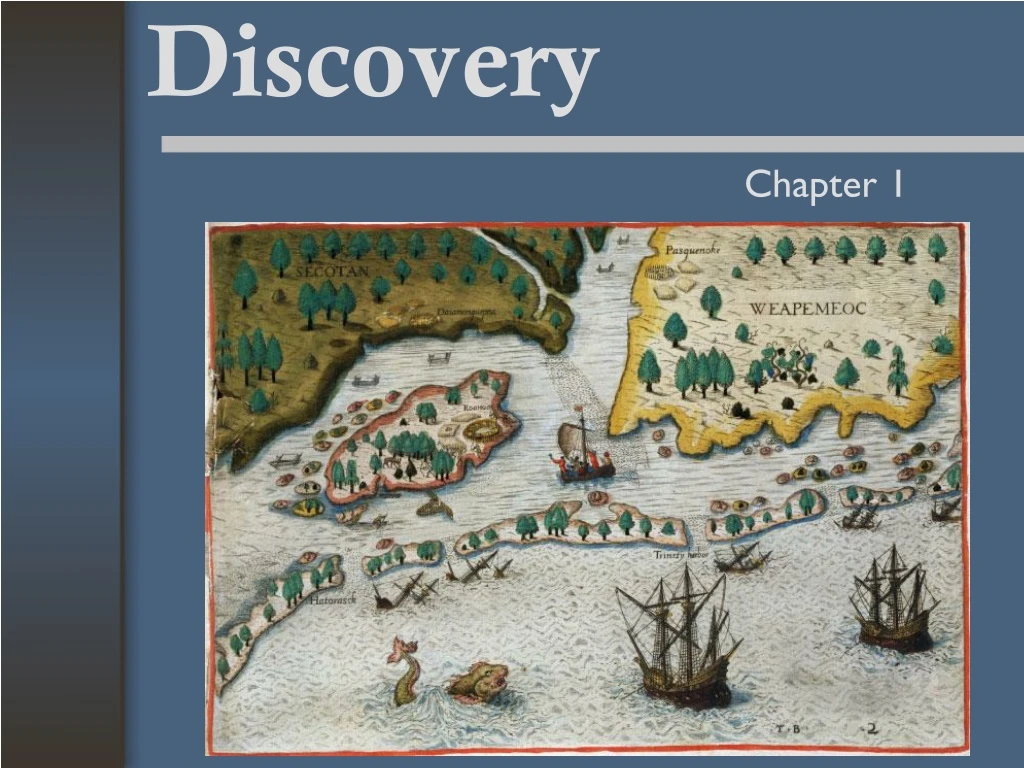
Challenges to Spain • France • Acadia (Nova Scotia) and Quebec • Mississippi River and New Orleans • Furs, Forts, and Fish • The Netherlands (Dutch) • New Amsterdam • England • Sir Walter Raleigh’s Roanoke Venture (1584-1590) • Defeat of the Spanish Armada (1588)