Harnessing Woody Biomass for Clean Energy in Montana Schools
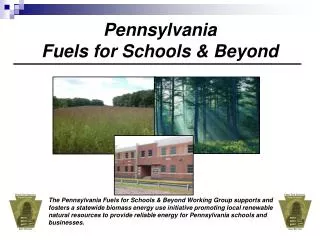
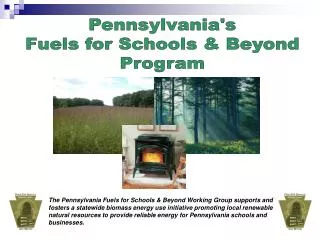
The Fuels for Schools program promotes sustainable heating solutions using woody biomass derived from forest management residues, contributing to cost savings, improved air quality, and enhanced forest health. This initiative focuses on utilizing locally available wood waste, such as slash from timber operations, to meet the heating needs of schools in Darby, Montana, where three schools are heated using green wood chips. Key aspects include project financing, community support, processing logistics, and ensuring quality fuel sources, all while fostering renewable energy practices.

Harnessing Woody Biomass for Clean Energy in Montana Schools
E N D
Presentation Transcript
Fuels for Schools Angela Farr US Forest Service Harvesting Clean Energy October 2011
Montana Timber-Processing Capacity & U.S. Lumber Prices, 1980-2008
Fuels for Schools Program Overview Our Progress Woody Biomass Systems Woody Biomass Fuels Financing Projects Air Quality
A partnership to promote the use of slash wood waste for heat A program of grants and technical assistance Fuels for Schools
Why wood? Sustainable, renewable, abundant, local fuel Cost savings Forest health benefits Air quality/human health Fuels for Schools
Slash from forest management Residues from manufacturers -Post and Pole -Sawmills -House logs Power line/development clearing Local landfill/urban waste Woody Biomass Fuel Sources
Darby heats 3 schools with 700-1000 green tons of chips/year Thinning operations produce 10-20+ tons of slash/acre 35-100 acres heat Darby schools for a year How much does it take?
Fuel Issues • Sources - focus on “slash” • Quality • Moisture • Size • Composition • Processing/Delivery
High initial cost equipment What infrastructure is already available? Scale of use is important Clustering projects helps Fuel Processing & Delivery
Community Enthusiasm/Support Proximity to Biomass Fuel Processing & Delivery Infrastructure Volume of Fuel Use & Unit Cost Site Access & Space Existing System Age, Condition Construction and Integration Costs Air Quality Permitting Project Viability Factors
Financing Carbon Offsets Performance Contracting Utility Coops Farm Bill/USDA RD
Combustion over 1800° F More particulates/Nox than Natural Gas Far less than slash burning Seasonal vs. annual effects Air Quality
Angela Farr Biomass Utilization Coordinator USDA Forest Service Missoula, MT 329-3521 afarr@fs.fed.us www.fuelsforschools.info Thank You!