

SlideServe
Menu
Préférences
© SlideServe · v2026

Feedback

razi avatar
17 diapositives · 701 Views · Jul 26, 2014

Feedback. Essential Questions. How do we provide meaningful feedback? How do we respond to feedback in the spirit of growth?. Year at a glance -- Feedback. January Feedback toolbox: Pausing, Paraphrasing March Feedback toolbox: Invitational Inquiry May Practicing using the research.
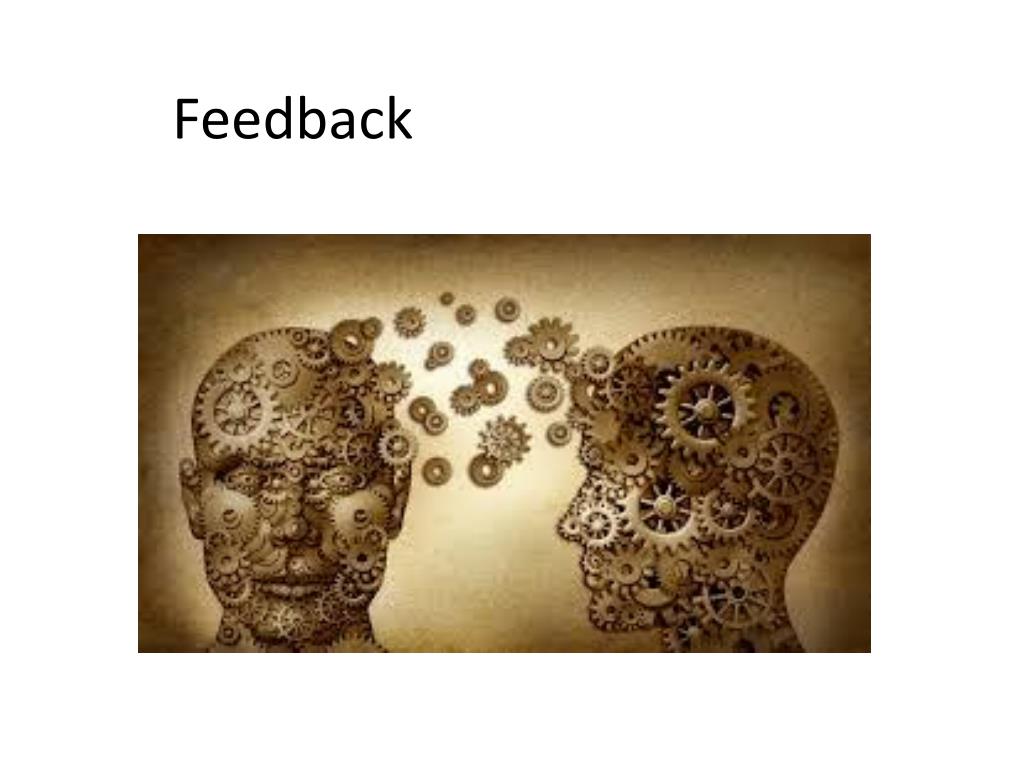
Feedback - slide 1
01 / 17Feedback
1 / 17

Télécharger la présentation

Feedback
Une image / un lien ci-dessous est fourni (tel quel) pour télécharger la présentation

Politique de téléchargement : le contenu du site vous est fourni TEL QUEL pour votre information et votre usage personnel ; il ne peut être vendu, concédé sous licence ni partagé sur d’autres sites sans l’accord de son auteur.Le contenu vous est fourni TEL QUEL, pour votre information et votre usage personnel uniquement. Téléchargez la présentation en cliquant sur ce lien. Lors du téléchargement, si vous ne parvenez pas à télécharger une présentation, l’éditeur a peut-être supprimé le fichier de son serveur.Pendant le téléchargement, si vous ne parvenez pas à obtenir une présentation, le fichier a peut-être été supprimé par l’éditeur.

F I N

Plus de contenu associé

Transcription de la présentation
  1. Feedback

  2. Essential Questions • How do we provide meaningful feedback? • How do we respond to feedback in the spirit of growth?

  3. Year at a glance -- Feedback • January • Feedback toolbox: Pausing, Paraphrasing • March • Feedback toolbox: Invitational Inquiry • May • Practicing using the research

  4. Where are you? Continuum of Reflective Practice Compliance Commitment

  5. When do we give and receive feedback? • Make a list of the times when you give others feedback • Make a list of the times you seek out feedback from others • Next to each topic in your list, use one adjective or phrase you would use to describe the ‘normal’ practice of this feedback

  6. Hattie Feedback is one of the most powerful influences on learning and achievement, but this impact can be either positive or negative

  7. Assumptions Informing Learning Focused Supervision

  8. Supervision is a growth-oriented process.

  9. The deepest purpose of supervision is to create a culture of learning.

  10. Four Stances of Learning Focused Supervision 1. Calibrating 2. Consulting 3. Collaborating 4. Coaching • From, Learning-focused Supervision: Developing Professional Expertise in Standards-Driven Systems

  11. Scenario identification

  12. Learning Focused Supervision Toolkit Chapter 4: • Being Present (pgs. 27-31) • Pausing (pgs. 31-33) • Paraphrasing (pgs. 34-37) • Invitational Inquiry (next month) • LET’s Jigsaw! Get into triads, one person picks each section to read.

  13. Protocol • Read Section • Share with ‘like’ Groups (8 min.) • Share with Triad (7 min. each)

  14. Practice • In Triads • One person is the teacher in the scenario • One person is the supervisor in the scenario • One person is the process observer • Practice Pausing and Paraphrasing in the scenario • Process observer use rubric to evaluate conversation • Process Observer provides feedback • This will feel weird!

  15. Reflection • Look back the lists you made at the beginning of the session. How does today’s information inform your practice of giving and receiving feedback in these settings?

  16. Essential Questions • How do we provide meaningful feedback? • How do we respond to feedback in the spirit of growth?

  17. Where are you? Continuum of Reflective Practice Compliance Commitment