Understanding Market Research: A Comprehensive Overview of Key Processes and Techniques
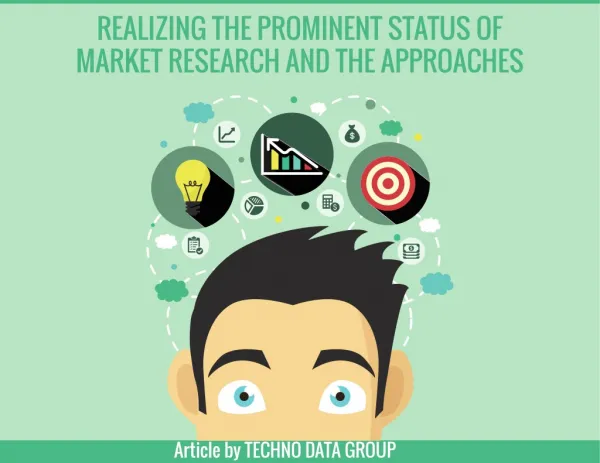
Market research is the systematic process of planning, collecting, and analyzing data to assist marketing decisions. It is vital for understanding consumer preferences and making informed business choices. The process begins with defining the problem, planning research design, and gathering primary data through methods like surveys and interviews. Data collection is followed by analysis using statistical tools. Effective market research provides insights into market trends, customer behavior, and competitive intelligence, enabling businesses to strategize and forecast sales effectively.


Understanding Market Research: A Comprehensive Overview of Key Processes and Techniques
E N D
Presentation Transcript
Market Research Chapter 9
What is Market Research? • “The process of planning, collecting, and analyzing data relevant to a marketing decision.” • Decision support system • Why is marketing research important? • Concerns • Respondent knowledge • Respondent honesty • Respondent actions Source: http://www.era-az.com/xeber/market_research.png
Step 1: Define the Problem • Marketing research problem • Set the research objectives
Step 2: Plan the Design & Gather Primary Data • Research Design • Primary Data • Pros: • Cons: • Secondary Data • Pros: • Cons:
Step 2: Plan the Design & Gather Primary Data • Types of Primary Research • Survey research • In-home personal interviews • Mall-intercept • Telephone interviews • Mail surveys • Executive interviews • Focus groups Source: http://www.sesrc.wsu.edu
Step 2: Plan the Design & Gather Primary Data • Types of Primary Research • Survey research (cont’d) • Questionnaire Design • Open-ended • Close-ended • Scaled-response • Likert scale • Semantic differential scale • Errors • Leading questions • Ambiguous question • Unanswerable question • 2-1 question • Nonexhaustive question • Nonmutually exclusive answers
Step 2: Plan the Design & Gather Primary Data • Types of Primary Research • Observation research • Mystery shopper • Behavioral targeting • Ethnographic research • Virtual shopping • Experiments Source: http://yoursecretshopper.com
Information Overload • What is it? • Information technology • Databases • Sensitivity analysis • Data Mining • Extraction of hidden predictive information from large databases • Links between the two actions or products
Step 3: Specify the Sampling Procedure • Population v. sample • Types of sampling procedures • Probability sampling • Random sample • Nonprobability sampling • Convenience sample
Collecting the Data In-house Hire a company Analyze the data Statistical software SPSS Step 4: Collecting the Data & Step 5: Analyzing the Data
Prepare & Present Formal report Recommendations Follow Up Additional research Step 6: Prepare & Present ResultsStep 7: Follow Up
Other Research • Internet research • Advantages • Scanner-based research • Competitive Intelligence (CI) Source: http://students.egfi-k12.org
Sales Forecasting • Market or industry potential • Sales or company forecast
Sales Forecasting • How to Forecast • Top-Down Forecast • Buildup Forecast
Sales Forecasting Techniques • Judgment of Decision Maker • Direct Forecast • Lost-horse forecast
Sales Forecasts Techniques • Knowledgeable groups • Survey of Buyers’ Intentions Forecast • Salesforce Survey Forecast • Jury of Executive Opinion Forecast • Survey of Experts
Sales Forecasting Techniques • Statistical Methods • Trend extrapolation • Look at past results