Ethical Double-Teaming in Negotiation
50 likes | 153 Vues
Explore the concept of "Ethical Double-Teaming," an effective negotiation tactic that enhances the power of the lead negotiator. This approach is applicable during formal and informal negotiations and key meetings. Learn the distinct roles of the lead negotiator and second negotiator, how to share core strategies, manage body language, and respond effectively to ensure a successful negotiation outcome. This class, led by negotiation experts Dr. John D. Blair, Georgie G., and William B. Snyder, provides practical insights on preparation, execution, and adjustment during negotiations.


Ethical Double-Teaming in Negotiation
E N D
Presentation Transcript
Ethical Double-Teaming in Negotiation Negotiation and Conflict Management Class 8 John D. Blair, PhD Georgie G. & William B. Snyder Professor in Management
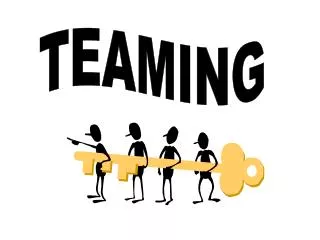
“Ethical Double Teaming”—Effective Process and Power Tactic • When To Use • During formal but known negotiations • During informal but known negotiations • Also use during key formal meetings • Also use during key informal meetings • Double Team Roles • Lead Negotiator or Talker • Knowledgeable and Credible Second • Done well, increases Lead’s power
Double Teaming—Different Roles • Lead Negotiator or Talker • Focus on whomever is talking • Provide articulate responses or questions • Second Negotiator or Talker • Focus on whomever is not talking • Watch body language: • Not understand? • Hostile or defensive? • Shows agreement?
Double Teaming— Lead Role Continued • Share core strategy and tactics • Desired outcome priorities • Acceptable alternative outcomes • Unacceptable alternative outcomes • Contingency plans • Develop decision rules for Second to act • Train Second prior to negotiations • What to watch for • Who to watch for • When to interrupt • When to add content
Double Teaming—Second Role Continued • Interrupt to: • Add clarification when someone has not understood • Alert lead when someone wants to say something but is not noticed by Lead • Add content when: • Lead has missed or forgotten something that needs to be said • Lead has been asked something that Second knows more about • New idea—consistent with strategy and tactics—has occurred to Second but not Lead