TOURISM
This comprehensive overview delves into the diverse modes of water-borne transportation, with a focus on cruising. Learn the management and marketing issues associated with cruise tourism, while appreciating the geographical aspects of cruise holidays. Discover the historical significance of water travel, recreational activities available, and vital infrastructure supporting this industry. We examine private craft and commercial water transportation, various types of cruises, and the environmental concerns surrounding cruising, as well as the essential role of different ports in the cruise industry.

TOURISM
E N D
Presentation Transcript
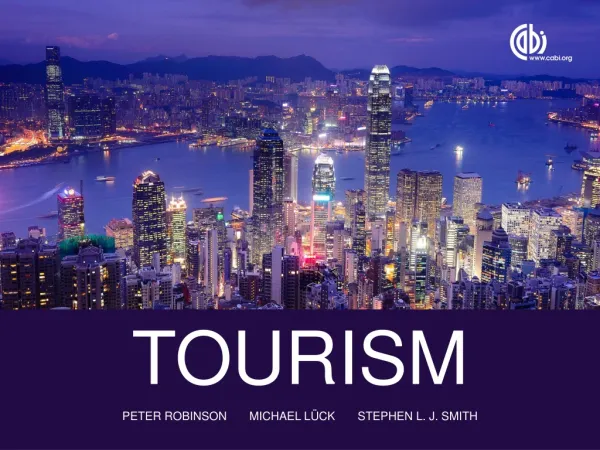
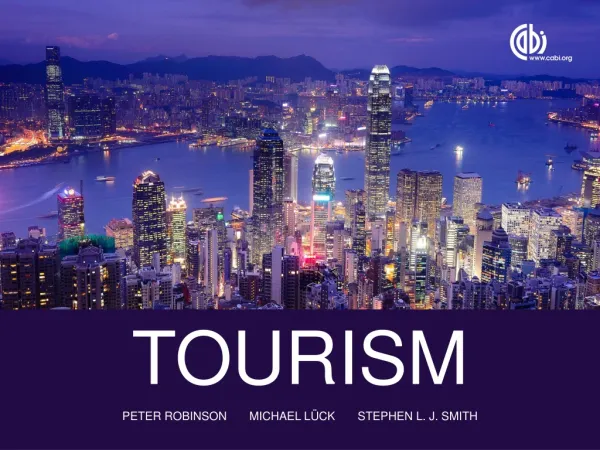
TOURISM PETER ROBINSON MICHAEL LÜCK STEPHEN L. J. SMITH
6 Water-borne Transport
Learning Objectives • To understand the variety of modes of water-borne transportation • To explore the management and marketing issues associated with cruising • To appreciate the geography of cruise holidays
Background • Water-borne transport has a long history • Before air travel, much long-haul travel was by water • Cruise ships were ‘jumbo jets’ of their day • Water offers many recreational activities • Physical exercise • Relaxation • Sightseeing • Wildlife viewing • Fishing
Background • Most activities require some form of infrastructure or support services • Docks • Chandlers • Marinas (fuel, repairs, boat sales and leasing) • Navigation aids • Locks and canals (industrial waterways)
Private Craft • At least 20 million boats registered in private ownership • Many forms • Canoes, kayaks, row boats, skiffs, dories, pedal boats, etc. • Inboard, outboard, inboard/outboard motors • Sailboats and Jet boats • Personal hydrocraft • Water skiing • Hydro bikes/surf bikes
Commercial Water Transportation • Rental boats • Water taxis • Ferries (passenger and vehicle) • ‘Bare boating’ • Tour boats • Surface • Submersible and semi-submersibles • Canal (narrow) boats • Cruise lines
Cruise Lines • (Usually) multi-stops combining accommodation, onboard and shore activities, restaurants • Emerged after decline of transatlantic liners • Many options • Duration • Location • Degree of luxury • Class of service • Size of ship • Cruise themes, activities
Types of Cruises • Fly & cruise packages • Rail & cruise packages • Repositioning cruises • ‘Cruises to nowhere’ • Special interest cruises • Activities • Target market • Educational cruises • ‘Tall ships’
Types of Cruises • River cruises • Lake cruises • Freighters • Mail and supply ships
Environmental Concerns around Cruising • Air pollution from diesel engines • Dumping of waste at sea (in international waters) • Noise concerns in port • Automobile traffic in ports during departures and arrivals
Ports • Very different layout and sizes for passenger versus cargo/container ports (passenger ports are smaller) • Essential for cruise industry • Two types • Home ports • Ports-of-call