Understanding Photosynthesis: A Comprehensive Guide to Energy and Life Cycles
This lesson on photosynthesis explores the fundamental process through which plants convert light energy into chemical energy, detailing key components such as chlorophyll and chloroplasts. Students will learn the mechanisms and importance of light-dependent and light-independent reactions. The activity includes a review of leaf structure and function, highlighting the role of stomata, guard cells, and vascular systems in facilitating photosynthesis. Assignments include textbook questions and a Gizmo lab introduction focused on energy transfer in living systems.

Understanding Photosynthesis: A Comprehensive Guide to Energy and Life Cycles
E N D
Presentation Transcript
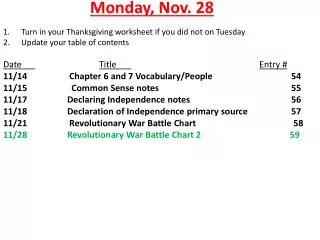
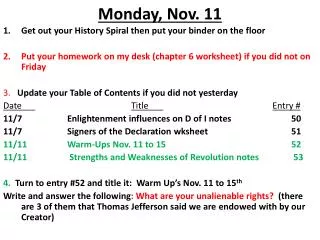
Monday, Nov. 18 Video clip Book activity: Intro to photosynthesis Explain sub activity for tomorrow
Cycles in everyday life Water Carbon Life Nitrogen Food Light/energy
Text book • Page 226-228 • Questions 1-2 • Page 230-234 • Questions 1 & 3a
Wednesday, Nov. 20 Photosynthesis 8.1/8.2 Notes Introduce gizmos Gizmo lab
Energy and Life • Energy is the ability to do work • Forms: light, heat, and electricity. Can be stored in chemical compounds. • ATP= adenosine triphosphate • Basic energy source for all cells • ADP= adenosine diphosphate • Only two phosphate groups, stores energy
Uses Active transport (protein pumps) Synthesis of proteins Responses to chemical signals
Heterotrophs and Autotrophs • Heterotrophs- obtain food by consuming other living things • Autotrophs- obtain food by making their own. • Photosynthesis- convert light energy into chemical energy
Chlorophyll • Pigments- light-absorbing molecules • Chlorophyll- pigment in plant • Absorb light in the blue-violet and red regions • Reflect green light- that’s why they look green
Chloroplasts Chloroplasts- place where photosynthesis takes place Thylakoids- saclike membrane, inside chloroplasts, arranged in stacks= grana
Electrons Light energy absorbed by chlorophyll, transferred to electrons
Overview of photosynthesis Reaction: 6CO2 + 6H2O C6H12O6 + 6O2 Carbon dioxide plus water, light- yields sugar and oxygen
Light-dependent reaction • First set of reactions- require direct involvement of light and light-absorbing pigments • Uses energy from the sun to produce ATP • Takes place in the thylakoid • Water required as source of electrons and H ions. Oxygen released as byproduct
Light-independent reaction • ATP and NADPH molecules produced in the light reaction are used to produce sugars from CO2 absorbed from the atmosphere • Takes place in the stroma, liquid outside the thylakoid
Thursday, Nov. 21 Review gizmos Leaf structure/function Stomata lab
Leaf Anatomy Location of Photosynthesis Veins- phloem and xylem Guard cells- allow CO2 in, O2 out.
Quick video leaf structure