SlideServe
Menu
Préférences
© SlideServe · v2026

Congres

sheila avatar
21 diapositives · 374 Views · Jul 25, 2014

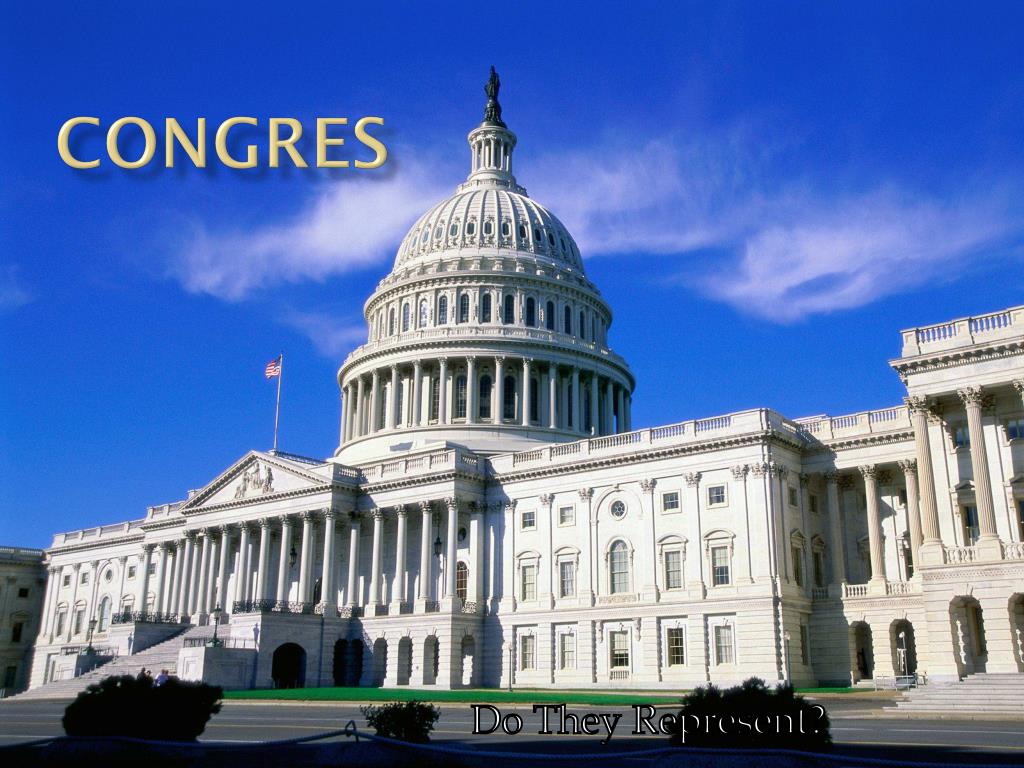
Congres. Do They Represent?. House. Senate. 435 Members “close to the people” Elected popularly; every 2 years Constituencies are more homogenous Less apt to seek compromise More partisan More rules Revenue Bills. 100 Members “saucer that cools the tea”
Congres - slide 1
01 / 21Congres
1 / 17

Télécharger la présentation

Congres
Une image / un lien ci-dessous est fourni (tel quel) pour télécharger la présentation

Politique de téléchargement : le contenu du site vous est fourni TEL QUEL pour votre information et votre usage personnel ; il ne peut être vendu, concédé sous licence ni partagé sur d’autres sites sans l’accord de son auteur.Le contenu vous est fourni TEL QUEL, pour votre information et votre usage personnel uniquement. Téléchargez la présentation en cliquant sur ce lien. Lors du téléchargement, si vous ne parvenez pas à télécharger une présentation, l’éditeur a peut-être supprimé le fichier de son serveur.Pendant le téléchargement, si vous ne parvenez pas à obtenir une présentation, le fichier a peut-être été supprimé par l’éditeur.

F I N

Plus de contenu associé

Transcription de la présentation
  1. Congres Do They Represent?

  2. House Senate • 435 Members • “close to the people” • Elected popularly; every 2 years • Constituencies are more homogenous • Less apt to seek compromise • More partisan • More rules • Revenue Bills • 100 Members • “saucer that cools the tea” • Elected every 6 years, staggered terms (formerly by state legislators) • Constituencies are more heterogeneous • More apt to seek compromise • Less partisan • Fewer rules • Advise and Consent

  3. Trends:

  4. Incumbents are usually reelected • Doug Lamborn (since 2006) • Joel Hefley (‘86 – ’06) • District 5 was created in 1973, and has never voted Democratic

  5. Colorado Congressional Districts

  6. Colorado Senators Michael Bennet (D) Mark Udall, (D)

  7. Party leaders have gained more power over time Harry Reid, D/NV Majority Leader, Senate John Boehner, R/OH Speaker of the House

  8. Most of the work is done in committee/subcommittee

  9. Congress does three main things: • Makes laws • Represents • Oversight

  10. The Incumbency Advantage • Incumbents are reelected 90% of the time • Serving the constituency • Pork Barrel Legislation • Franking Privilege • Fundraising is easier • 90% of PAC money goes to incumbents • Redistricting is more favorable to incumbents

  11. Last Five Election Cycles:

  12. Campaign Expenditures, By Decade

  13. PAC Contributions

  14. Leadership • House and Senate are organized along party lines • * Indicates that the chamber was not controlled by the president’s party.

  15. HOUSE LEADERSHIP • Speaker of the House • Second most powerful federal official • Speaks first • Recognizes other members • Chooses chairs and committee members on the House Rules Committee • Assigns bills to committees • Assigns members to conference committees • Majority Whip • Generates support for bills

  16. SENATE LEADERSHIP • Majority Party Leader: Most powerful • VP presides over the Senate; breaks ties • President Pro-Tempore presides in the absence of the VP • Largely honorary (held by most senior mp senator)

  17. Standing Committees

  18. COMMITTEES • Standing committees are permanent • 35-40 members per committee in the House • Half the size in the Senate • Most have subcommittees = specialization • Select committees • Not necessarily permanent • Joint committees • Members of both houses • Conference committees • Joint committee that works out differences in bills

  19. Committee Jurisdiction • Bills must be referred to the proper committee because each committee has jurisdiction over a certain policy area • Turf wars

  20. Committee Membership • Fixed number of seats • Majority party holds most of them (ratio same as in H or S) • House members serve on 2; Senators 4 • Members are appointed by a special committee • Each committee has a chairperson; usually based on seniority

  21. Committee v. Party • Committees decentralize power; Parties centralize power