
SlideServe
Menu
Préférences
© SlideServe · v2026

Understanding the Diversity of Protists: Eukaryotic Kingdom Explored

snana avatar
8 diapositives · 244 Views · Jul 21, 2014

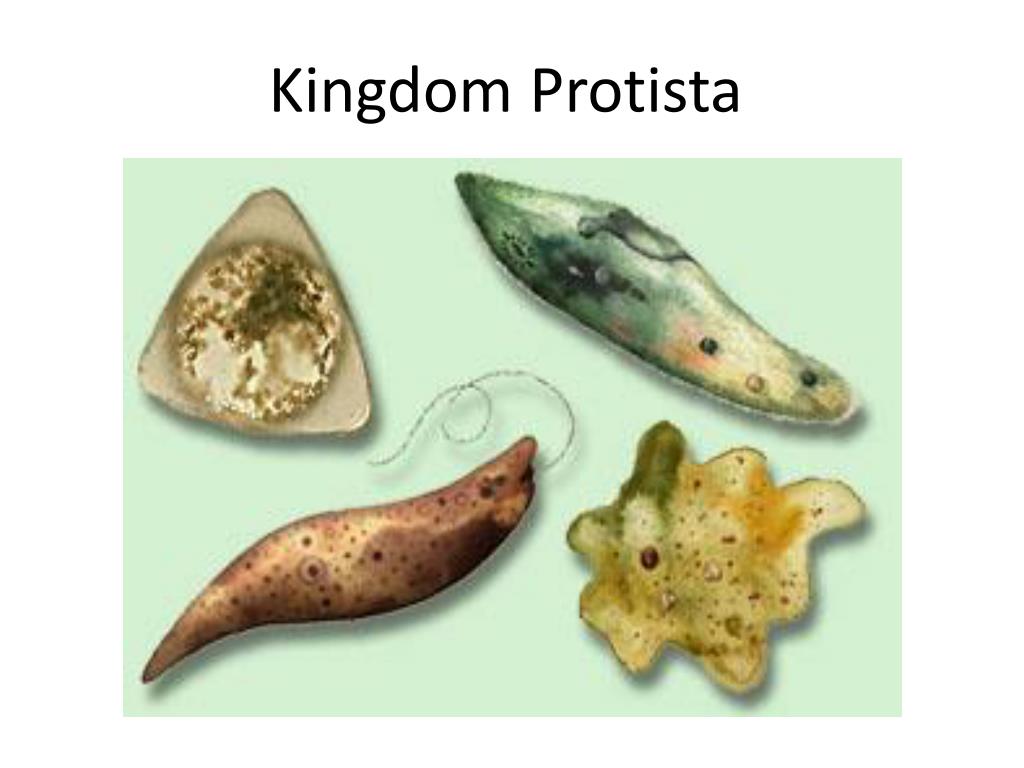
The Kingdom Protista encompasses a diverse group of organisms, all of which have a nucleus, categorizing them as eukaryotic. Protists can be plant-like, animal-like, or fungus-like, with plant-like protists being autotrophs that utilize chloroplasts for photosynthesis. In contrast, animal-like (protozoans) and fungus-like protists are heterotrophs. This diversity includes amoebas that consume bacteria and paramecia found in freshwater. Moreover, euglena exemplifies a plant-like protist that adapts its feeding strategies based on sunlight availability, while giant kelps represent the unique structures within brown algae.
Understanding the Diversity of Protists: Eukaryotic Kingdom Explored - slide 1
01 / 8Understanding the Diversity of Protists: Eukaryotic Kingdom Explored
1 / 17

Télécharger la présentation

Understanding the Diversity of Protists: Eukaryotic Kingdom Explored
Une image / un lien ci-dessous est fourni (tel quel) pour télécharger la présentation

Politique de téléchargement : le contenu du site vous est fourni TEL QUEL pour votre information et votre usage personnel ; il ne peut être vendu, concédé sous licence ni partagé sur d’autres sites sans l’accord de son auteur.Le contenu vous est fourni TEL QUEL, pour votre information et votre usage personnel uniquement. Téléchargez la présentation en cliquant sur ce lien. Lors du téléchargement, si vous ne parvenez pas à télécharger une présentation, l’éditeur a peut-être supprimé le fichier de son serveur.Pendant le téléchargement, si vous ne parvenez pas à obtenir une présentation, le fichier a peut-être été supprimé par l’éditeur.

F I N

Plus de contenu associé

Transcription de la présentation
  1. Kingdom Protista

  2. All protists have a nucleus and are thereforeeukaryotic. This kingdom is very diverse. P189 explains the diversity. Protistsare either plant-like, animal-like or fungus-like.

  3. Animal-like and fungus-like protists and areheterotrophs. Plant-like protists are autotrophs – they contain chloroplasts and make their own food.

  4. Animal-Like Protists or Protozoans, pp. 189-192 Amoebas are sarcodines that live in either water or soil. They feed on bacteria and smaller protists.

  5. Animal-Like Protists or Protozoans Paramecia are ciliates that live mostly in fresh water. Like amoebas, paramecia feed on bacteria and smaller protists.

  6. Plantlike Protists The euglena is a common euglenoid that lives in fresh water. In sunlight, many euglenas can make their own food. Without sunlight, they obtain food from their environment.

  7. Plantlike Protists, pp. 193-195 Giant kelps are brown algae that have many plantlike structures.

  8. FunguslikeProtists, p. 196