Download
1 / 10
100 likes | 230 Vues
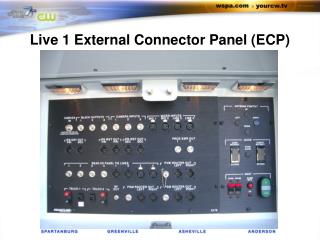
NDAQ Connector Panel. Contents Interface Connections Panel Options Lightning Protection ???. Interface Connections. CPU 4 serial ports: each port requiring 7 connections USB port 2 Ethernet ports: Allow for hub option in housing Serial 8 serial ports: 7 connections

E N D
NDAQ Connector Panel Contents Interface Connections Panel Options Lightning Protection ???
Interface Connections • CPU • 4 serial ports: each port requiring 7 connections • USB port • 2 Ethernet ports: Allow for hub option in housing • Serial • 8 serial ports: 7 connections • Rs-232: Tx, Rx, RTS, CTS, Sig. ground, power, ground • RS-485: +Tx, -Tx, +Rx, -Rx, Sig ground, power, ground • A/D • 8 channels: 5 connections • + input, - input, shield, power, ground • Miscellaneous • Communication • GPS assume sensors housed internally • Pressure static port • Power input/output • On/Off switch • spare connector hole }
Panel Options Single Panel Single Hole Multi-Panel Multi-Cable/Panel
Single Hole Cables get routed through one or multiple holes to internal connector panel(s) • Advantages • flexibility • no special connectors • Disadvantages • confusion in the box • hard to configure in the field • still need a connector interface • weatherproofing
Single Panel One Interface Panel for all Connectors • Disadvantages • real estate space • no flexibility • Advantages • field easy • standardize connectors • construction / installation
Multi-Cable/Panel Multiple cables into one connector. The interface panel could be single or multiple. • Disadvantages • requires breakout box(s) • special cables • Advantages • real estate friendly (?) • less cables over long runs
Multi-Panel Individual connectors mounted to special panels serial panel, A/D panel, CPU panel • Disadvantages • loss of real estate • higher costs • Advantages • simpler board design • flexibility in making changes • Individual interface boards
Lightning protection • Passive • Transorbs, gas discharge tube, MOV, fuse, etc. • Off-the-Shelf • Active • Optical • Many vendors out there • Typical 2500 VAC isolation • Costs: $50 to $200 (4 signal lines)