Understanding Organic Molecules: Properties and Functions
Explore the fundamentals of organic compounds, functional groups, and biologically important molecules like carbohydrates, lipids, and proteins. Learn about the structure, properties, and examples of different organic compounds.


Understanding Organic Molecules: Properties and Functions
E N D
Presentation Transcript
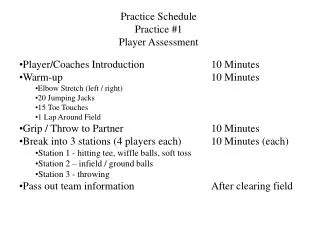
ASSESSMENT SCHEDULE • P. 8!! and P.16!! • ASSIGNMENT 1: Organic compounds P.16 - 19 • 15 FEB 2012 • Written report assessed! • PLAGIARISM DECLARATION P. 9!! • Always hand in with assignments!!
UNIT 1: ORGANIC COMPOUNDS P. 37(TEXTBOOK) CARBOHYDRATES LIPIDS PROTEINS
PROPERTIES OF ORGANIC COMPOUNDS • Always contain carbon and hydrogen • Living organisms • Covalent bonds • Large molecules
BIOLOGICALLY IMPORTANT FUNCTIONAL GROUPS What is a functional group?
BIOL. IMPORTANT FUNCTIONAL GROUPS AND THE COMPOUNDS THEY FORM • HYDROXYL - Alcohol • CARBONYL – Aldehyde and ketones • CARBOXYL – Carboxylic acid • AMINO - Amine • SULFHYDRYL - Thiol • PHOSPHATE – Organic phospates
PROPERTIES OF CARBOHYDRATES • C : H : O – 1 : 2 : 1 • MonomeresMonosaccharides (single sugars) – 1 • Disaccharides – (double sugars) - 2 • Polysaccharides – (chains of sugars)-many
Monosaccharides • E.g. Glucose, Fructose and Galactose • What is an Isomers? • Function of monosaccharides?
GLUCOSE • Hexose sugar – 6 C atoms • C6H12O6 • Structure:
PENTOSE SUGARS • 5 C – atoms • E.g. deoxyribose sugar and ribose suger • Part of RNA and DNA
EXAMPLES OF DISACCHARIDES • Maltose = ? + ? • FUNCTION : Maltose ? • Sucrose = ? + ? • FUNCTION: Sucrose • Lactose = ? + ? • FUNCTION: Lactose
POLYSACCHARIDES • Large consist of several monosaccharides
POLYSACCHARIDES • Starch • Glycogen • Cellulose • Chitin
NEXT LECTURE • FRIDAY – OFFICIAL UJ WELCOMING • NO LECTURES!!!! • MONDAY – 7 FEBRUARY 2011 • 11H50 – 13H35 • D les 306 • UNIT 1 Continues with: • LIPIDS AND PROTEINS P. 44