Modular Hybrid Solar Power Plants For Developing Nations
40 likes | 155 Vues
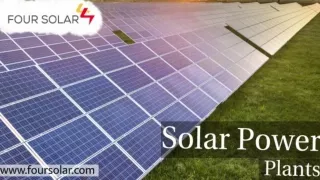
The Modular Integrated Solar Combined Cycle (ISCC) plants offer a promising solution for sustainable energy in developing nations. These plants integrate solar heat into traditional combined cycle structures, optimizing costs and enhancing efficiency without the need for complete solar-only operations. Key benefits include a reduced risk of investment, improved dispatchability, and the ability to leverage hybrid feed-in tariffs. With designs like the Phoebus concept and innovative heliostat fields, ISCC plants represent a low-cost, environmentally friendly power source that encourages renewable energy adoption.


Modular Hybrid Solar Power Plants For Developing Nations
E N D
Presentation Transcript
Modular Hybrid Solar Power Plants For Developing Nations Mazen Darwish Darwish@kth.se , TSUEM KTH, Royal Institute of TechnologyDepartment of Energy Technology Supervisor : James Spelling james.spelling@energy.kth.se
Proposed Option : Integrated Solar combined Cycle • Integrated Solar Combined Cycle (ISCC) • Build and operated like a normal combined cycle plant. • No solar-only operation : solar heat is added to the already running cycle. • Advantages of ISCC • Cost advantages : only the steam turbine of the existing cycle need to be oversized. • Efficiency advantages : CSP increases the efficiency of the bottoming cycle. • Dispachibility. ISCC Ain-Beni-Mathar-Morocco ISCC kuraymat -Egypt
Design combination: New combination • Atmospheric solar tower in natural gas fired Combined cycle without Storage • Receiver design ( Phoebusconcept) : Simple ( Atm Air HTF) , Stableopeartion ( Metalicabsorber durable) ; highlymodular. • Heliostat field / Tower ( eSolar concept): lowcost , massmanufactured , lowwindloads , easycleaning.
Conclusions • ISCC plants offers low cost , highly dispatchable source of power. • ISCC offers a low risk option in a world of heavily subsidized fossil fuel systems. • Ability to benefit from incentives such as Hybrid feed in tariffs. • Integrating small solar shares in all newly built plant can help drive down CSP costs. • Sends a green message to the public.