
SlideServe
Menu
Préférences
© SlideServe · v2026

The Skeletal S ystem

zenia avatar
12 diapositives · 308 Views · Jul 25, 2014

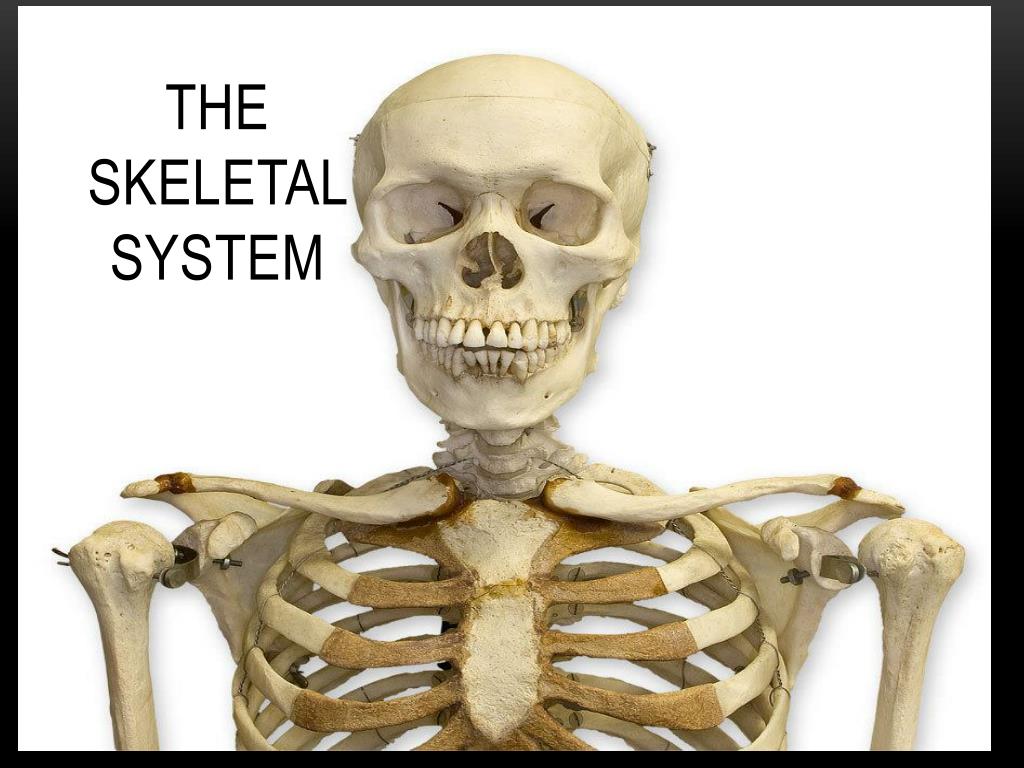
The Skeletal S ystem . Structure of the skeletal system . The skeletal system consist of 2 major parts: - Bones - Tissues such as: 1. Tendons 2. Ligaments 3. Cartilage .
The Skeletal S ystem - slide 1
01 / 12The Skeletal S ystem
1 / 17

Télécharger la présentation

The Skeletal S ystem
Une image / un lien ci-dessous est fourni (tel quel) pour télécharger la présentation

Politique de téléchargement : le contenu du site vous est fourni TEL QUEL pour votre information et votre usage personnel ; il ne peut être vendu, concédé sous licence ni partagé sur d’autres sites sans l’accord de son auteur.Le contenu vous est fourni TEL QUEL, pour votre information et votre usage personnel uniquement. Téléchargez la présentation en cliquant sur ce lien. Lors du téléchargement, si vous ne parvenez pas à télécharger une présentation, l’éditeur a peut-être supprimé le fichier de son serveur.Pendant le téléchargement, si vous ne parvenez pas à obtenir une présentation, le fichier a peut-être été supprimé par l’éditeur.

F I N

Plus de contenu associé

Transcription de la présentation
  1. The Skeletal System

  2. Structure of the skeletal system • The skeletal system consist of 2 major parts: - Bones - Tissues such as: 1. Tendons 2. Ligaments 3. Cartilage

  3. Types of bone

  4. The structure of bone • Bones are made up of Compact tissue, Cancellous tissue ( spongy tissue), and bone marrow. • Compact tissue is the very hard outer layer of bone its very tough and solid. • Cancellous tissue is also called spongy tissue is the meshwork interior shaped like honeycombs. Canellous tissue is lighter and a little more flexible. • Bone marrow is the soft spongy tissue that lies within the hollow centers of long bones. Marrow in large bones produces new blood cells. Bones also have Blood vessels run through the bone.

  5. TISSUES • There are three type of tissues that are involved in the skeletal system Cartilage, Ligaments, and Tendons. • Cartilage is a flexible connective tissues that is found all over the body including the ribs, nose, and between the joints. Cartilage ease the pressure in-between the joints. Cartilageis the slowest of all the tissues in the skeletal system in healing. • Ligaments is a fibrous tissue that connects bones to other bone. • Tendon is a connective tissue that connects muscle to bone. Tendons can withstand a lot of tension.

  6. Where two bones meet • A joint is where two bones meet. Cartilage lines the ends of the bone and cushions the area of contact. Ligaments present at the bone prevent the bone from moving to much. • 5 types of joints

  7. Functions of the skeleton • There are 5 major functions of the skeleton. • The first is it is the framework of the body , with out the skeleton all you be is puddle of guts and skin. • The second function of the skeletal system is, it serves as a “shield” for the internal organs. For Example Vertebrae protect the spinal cord, ribcage protects the lungs, and the cranium protects the brain. • The third function is the bone marrow in the bone creates blood cells. • The fourth function is minerals in the bone such as calcium and phosphorus are realized from the bone and absorb by the body. • The fifth function is the skeletal system helps in movement. The muscles are attached to the bone.

  8. Diseases and disorders • Diseases associated with the bone. • Scoliosis • Osteoporosis • Fractures

  9. Osteoporosis • Osteoporosis is the severe thinning of the bone. When human hit the age of 35, bone tissue begins to be decrease. People afflicted with osteoporosis are more likely to fracture a bone. But you can prevent osteoporosis by eating a mineral rich diet. If you do get osteoporosis you can take a pill that reverse the thinning of the bone. • Scoliosis • Scoliosis is the curving of the spine. Scoliosis, is caused by muscle spasms, inflammation or having different leg length. For people with mild scoliosis only need a checkup, but people with severe scoliosis will need to wear a brace or get surge to fix their spine. • Fractures • Fractures can happen to any bone there are caused by many things by most of the time there caused by accidents, bad falls, or malnutrition bones. People above the age of 50 are more likely to break a bone .

  10. Bibliography