
Ethical Decision-Making in Emergency Situations: A Practical Guide

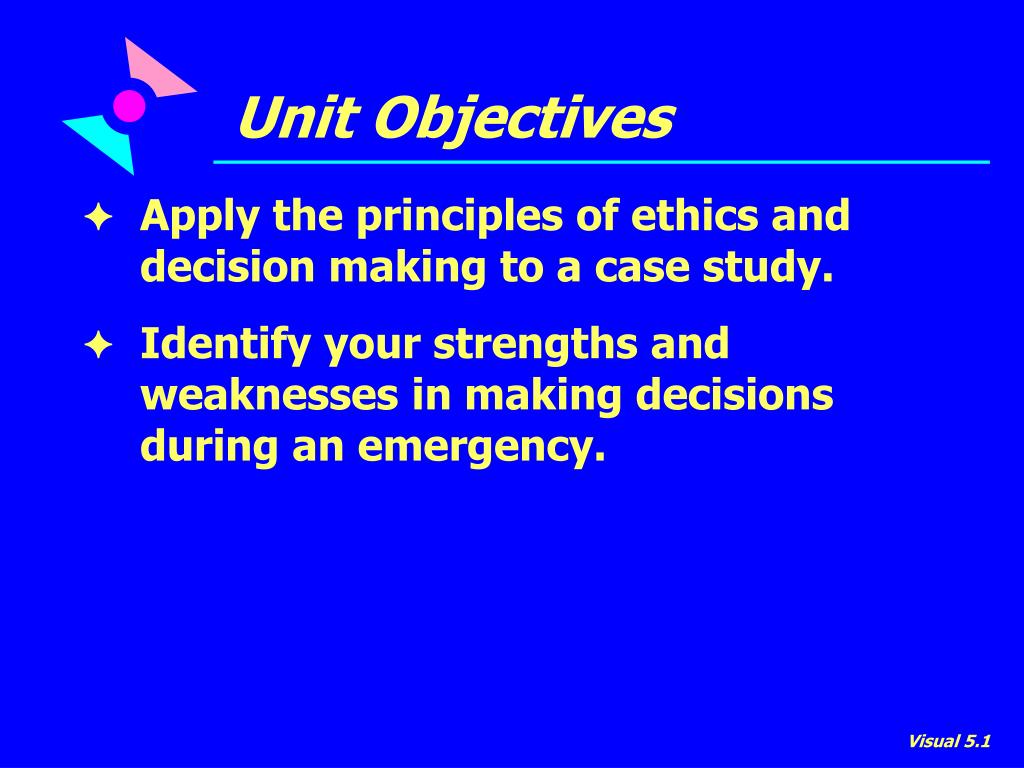
This comprehensive guide focuses on applying ethical principles and decision-making strategies in emergency situations. It outlines the steps of a problem-solving model, including assessing the situation, identifying potential contingencies, determining objectives, and creating effective action plans. Key ethical considerations are highlighted, emphasizing the importance of integrity, impartiality, and the necessity to avoid conflicts of interest. By identifying personal strengths and weaknesses, individuals can enhance their decision-making capabilities, ensuring adherence to ethical standards and laws in critical moments.
Télécharger la présentation 
Politique de téléchargement : le contenu du site vous est fourni TEL QUEL pour votre information et votre usage personnel ; il ne peut être vendu, concédé sous licence ni partagé sur d’autres sites sans l’accord de son auteur.Le contenu vous est fourni TEL QUEL, pour votre information et votre usage personnel uniquement. Téléchargez la présentation en cliquant sur ce lien. Lors du téléchargement, si vous ne parvenez pas à télécharger une présentation, l’éditeur a peut-être supprimé le fichier de son serveur.Pendant le téléchargement, si vous ne parvenez pas à obtenir une présentation, le fichier a peut-être été supprimé par l’éditeur.
F I N