Enhancing Education Connections: The Role of Gigabit Networks in North Carolina
This panel discussion, featuring John Killebrew on February 8, 2006, highlights the vision for uniting North Carolina's educational institutions—from universities to K-12 schools—through a comprehensive statewide Wide Area Network (WAN). By fostering collaboration and improving efficiency, this initiative aims to create a seamless K-20 learning environment. The benefits include smoother transitions between educational levels, cost savings for taxpayers, and enhanced academic outcomes. The event addresses current connectivity challenges and outlines future goals for optimal use of Gigabit Ethernet.

Enhancing Education Connections: The Role of Gigabit Networks in North Carolina
E N D
Presentation Transcript
Gigabit in the last milepanel discussion John Killebrew February 8, 2006
NC Research and Education Network Our Vision: Connecting Universities, Colleges, Community Colleges, K-12 Schools to the same statewide Wide Area Network, to create a seamless K-20 learning environment
Why this matters… • Smoother transitions between layers of education • Leverage efficiencies of scale • Increasing collaboration between adjacent layers • Save taxpayer $$$ by increasing efficiencies • Control “brick and mortar” expense • MOST IMPORTANT: improve RESULTS
North Carolina SNAPSHOT • 16 State Universities • 36 Private Universities and Colleges • 58 Community Colleges • 115 School Districts (called Local Education Associations) • 2300 public schools • 650 private schools • Serving 1,463,000 students with over 92,000 teachers
What about APPLICATIONS? ACADEMIC • Learning Management Systems • Learning Object repositories • Web Conferencing/collaboration • Live and stored Video Streaming • Two-way interactive video • Hybrid learning • Research • VOIP
What about APPLICATIONS? ADMINISTRATIVE • NC WISE • Purchasing • Attendance • Grades • School Bus reporting • Cafeteria services • VOIP • Video Conferencing
Current Situation • Universities and Colleges connected to NCREN. • NCREN target access is GigE • NCREN PEERS with NCSG OITS • Community Colleges all connected to OITS • 30% of public schools connected to OITS • OITS target is Ethernet, and is currently mostly DS-1 TDM
Wouldn’t it be nice if…. • Academic/research applications were able to function optimally, at the same time as the administrative applications • All of the providers and Statewide network operators could embrace the same connectivity solution • Everyone could work towards the same bandwidth goals (Gigabit Ethernet) • Reasonable timeframes could be established as working targets
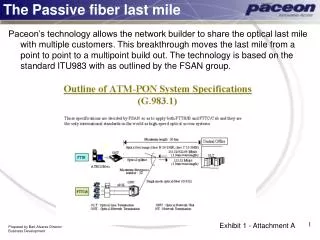
LEA-operated LEA-operated LEA-operated ROUTER ROUTER ROUTER Firewall Firewall Firewall Content Server Content Server Content Server Possible NCREN rPoP Architecture Commercial Users LEC Access To other NCREN POPs University1 University2 Fiber Commercial ( ISP ) Services IP Transport Service K-12 and R&E Institutions NCREN Services ILEC/LEC Access Cisco 7609 Cisco 12xxx To other NCREN PoPs