Download
1 / 10
100 likes | 235 Vues
This resource outlines critical strategies for Registered Training Organizations (RTOs) to achieve continuous improvement and compliance with AQTF 2007 standards. It emphasizes the necessity for systematic engagement with industry stakeholders and the importance of planning and implementing continuous improvement practices. Key components include data collection and analysis to enhance training quality, effective client services, and operational excellence. Auditors will focus on outcomes and the effectiveness of RTO processes, ensuring that improvement efforts lead to tangible results for learners and the industry.

E N D
AQTF 2007: Continuous improvement and compliance Chloe Dyson: CDA Consulting
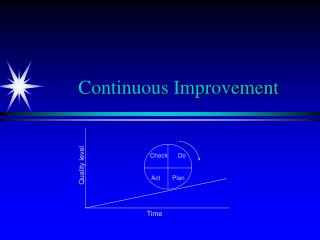
AQTF 2007: key messages • Engagement with industry • Emphasis is on RTOs working systematically to produce quality outcomes • Continuous improvement must be planned and implemented • Vital to identify and collect and analyse data from stakeholders • The AQTF should be tool, not a burden CDA Consulting
Audit process:outcomes-focussed • Auditors will: • Concentrate on the outcomes or results of continuous improvement activity • Then drill down to process where outcomes are not demonstrated or where more information is needed • Not ‘require’ specific procedures • Consider: • How do you know that your training and assessment, client services and business operations are of a good quality? • What client services do you offer? How do you know if they are effective? CDA Consulting
Standard 1-what auditors look for… • Evidence that improvements have been made: • Stakeholders are identified • Data about quality is collected from them-systematically • Data is analysed and used to improve quality • Improvements are reviewed • Needs to be strategic: what are the most critical aspects of training delivery? CDA Consulting
Standard 1 • Resources in place: trainers, facilities and equipment, strategies, training and assessment materials CDA Consulting
Standard 1-collection, analysis of data • surveys, focus groups, assessment validation, staff planning meetings, internal audit, meetings with students and employers/enterprise staff • Identify themes, plan and take action • Systematic-eg review data collected over 6 month period • Could record this through minutes, diary, continuous improvement forms-what suits you? CDA Consulting
Standard 2: Quality client/student services • Collect data and improve • Identify learners’ needs • Provide services to meet these needs • Complaints and appeals: academic and other CDA Consulting
Standard 3: Quality operations • Processes in place to meet the requirements of the AQTF • Continuous improvement • Partnerships • Record keeping CDA Consulting
Audit-common gaps • Generic strategies for training and assessment • Lack of industry consultation to inform strategies • Poor assessment tools and processes-particularly unpacking units of competency • Lack of effective validation of assessment • Currency of staff competencies CDA Consulting
Audit-common gaps • Lack of systematic processes, esp. data collection and analysis • Data on client services • Evidence of meaningful improvements • Partnership agreements: responsibilities, monitoring and review • ‘torpid’ policies and procedures CDA Consulting