Analyzing Educational Inequality: Gender Gaps and Regional Disparities in Schooling
This article explores the critical issues of educational inequality, focusing on compulsory schooling in developing countries and the significant gender gaps in school enrollment, particularly among adolescent girls in sub-Saharan Africa. It highlights the impact of regional differences—urban, semi-urban, and rural—on access to education and examines how policies and family expectations shape girls' schooling experiences. It also discusses the broader implications of education on women's earning power, health, nutrition, and societal outcomes.

Analyzing Educational Inequality: Gender Gaps and Regional Disparities in Schooling
E N D
Presentation Transcript
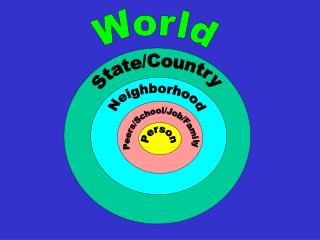
World State/Country Neighborhood Peers/School/Job/Family Person
Schooling • most developing countries have compulsory schooling • most 12-13 year olds are in school • regional differences • majority of adolescent girls in sub-Saharan Africa not in secondary school • large gender gaps in school enrollment • variations: urban, semi-urban, rural • policies, family expectations impact on girls’ schooling experiences
Every year of schooling increases a girl’s earning power by 10-20%Education/earning power associated with better health & nutrition, increased child survival, later age at marriage, and lower fertility
Texas & Mississippi had 74 births per 1,000 females 15-19 in 1996 D.C. had 102 births Massachusetts had 32 births state funding for FP ranges from $0-78 per female 15-19 funding for abortion varies by state 3/4 SBC prohibited from giving contraception few SBC in rural areas Accessible Services & Outcomes Vary: State by State
Savage Inequalities? • Student:guidance counselor ratio GWHS 1996: 1:1,666 • Computers GWHS per 1,000: 4.5 • Computers Stuyvesant HS per 1,000: 8.0 • Computers NYS suburbs per 1,000: 12.8