UNIT IV Chapter 14 The Human Genome. UNIT 2: GENETICS Chapter 7: Extending Medelian Genetics I. Chromosomes and Phenotype (7.1). A. Two copies of each autosomal gene affect phenotype 1. Most human traits are result of autosomal genes.
Une image / un lien ci-dessous est fourni (tel quel) pour télécharger la présentation
Politique de téléchargement : le contenu du site vous est fourni TEL QUEL pour votre information et votre usage personnel ; il ne peut être vendu, concédé sous licence ni partagé sur d’autres sites sans l’accord de son auteur.Le contenu vous est fourni TEL QUEL, pour votre information et votre usage personnel uniquement.Téléchargez la présentation en cliquant sur ce lien.Lors du téléchargement, si vous ne parvenez pas à télécharger une présentation, l’éditeur a peut-être supprimé le fichier de son serveur.Pendant le téléchargement, si vous ne parvenez pas à obtenir une présentation, le fichier a peut-être été supprimé par l’éditeur.
UNIT 2: GENETICS Chapter 7: Extending Medelian Genetics I. Chromosomes and Phenotype (7.1) A. Two copies of each autosomal gene affect phenotype 1. Most human traits are result of autosomal genes
2. Huntington’s Disease- damages nervous system and usually appears during adulthood. a. 75% chance if both parents heterozygous b. Since disease strikes later in life, person can have children before disease appears. Allele is passed on even though disease is fatal
E. Males and Females can differ in sex-linked traits 1. Mendel figured out much about heredity, but did not know about chromosomes a. Mendel only studied autosomal traits b. Expression of genes on sex chromosomes differs from autosomal genes
2. Sex-linked Genes a. Genes located on sex-chromosomes called sex-linked genes b. Many species have specialized sex chromosomes 1). In mammals and some other animals, individuals with XX are female and XY are male 2). X chromosome much larger than Y
Y-linked Genes –caused by gene found on Y chromosome that is not homologous with X chromosome (called holandric gene) Not many holandric genes • Is it possible for a female to inherit a holandric trait? • “Hairy Ears”- (hypertrichosis)
II. Complex Patterns of Inheritance (7.2) A. Phenotypes can depend on interactions of alleles 1. Many traits are result from alleles with range of dominance, rather than a strict dominant and recessive relationship 2. In many cases, phenotypes result from multiple genes
B. Incomplete Dominance 1. Neither allele completely dominant 2. Heterozygous phenotype somewhere between homozygous phenotypes (“blending”) Phenotype Genotype green B1B1 Phenotype Genotype Steel blue B2B2 Phenotype Genotype Royal blue B1B2
C. Codominance 1. Both traits are expressed completely 2. Can sometimes look like “blending” of traits, but actually show mixture of both X = red white roan
3. Human blood type is example of codominance a. Also has 3 different alleles- trait also considered a multiple-allele trait b. When alleles are neither dominant of recessive (in both incomplete and codominance) use upper case letters with either subscripts or superscripts)
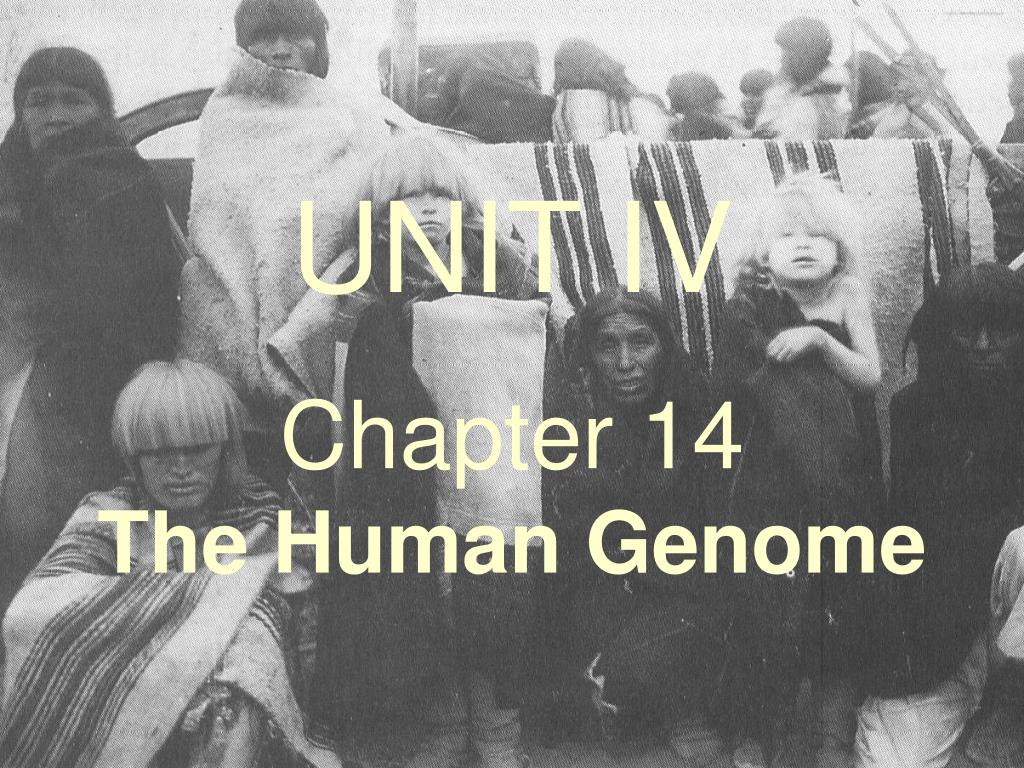
Albinism is a autosomal recessive trait. Because the allele is recessive, individuals who are heterozygous for the trait express their normal skin color, sot he presence of the allele is “hidden” by the dominance of the normal allele. Albinos are unable to synthesize melanin, the pigment molecule responsible for most human skin coloring
3. The environment interacts with genotype a. Phenotype is more than sum of gene expression b. Sex of sea turtles depends on genes and environment. Temperature when eggs develop determine sex
Mutant Wild type III. Gene Linkage and Mapping (7.3) A. Gene linkage was explained through fruit flies 1. Thomas Hunt Morgan worked with fruit flies (Drosophila melanogaster) 2. Some traits seemed to be inherited together. Morgan called them linked traits. (found on same chromosome)
IV. Human Genetics and Pedigrees (7.4) A. Human genetics follows the patterns seen in other organisms 1. Meiosis independently assorts chromosomes when gametes are made for sexual reproduction 3. Human heredity involves same relationships between alleles (dominant/recessive, polygenic, sex-linked, etc)
B. Inheritance of some traits very complex 1. Multiple genes and alleles can interact 2. Single-gene traits can still be observed a. Many examples of single-gene traits (hairline-widows peak)
C. Human Genes- human genome contains 20-000 to 30,000 genes. Much lower than earlier estimates of 80,000 to 140,000 1. Contains 3164.7 million chemical nucleotide bases (A, C, T and G) 2. 99.9% of all nucleotide bases are exactly the same in all people 3. Less than 2% of genome actually codes for proteins