Enhancing Assessment Accuracy Through Collaboration and Standardization
This guide outlines effective strategies for teachers and assessors to ensure assessment accuracy and fairness. In Scenario 1, strategies include consulting reference books, dictionaries, and native speakers to evaluate answers. If discrepancies arise, teachers are informed for regrading. Preventative measures involve reviewing papers pre-grading and updating answer keys. Scenario 2 focuses on standardizing grading processes through clear rubrics, effective communication, and collaboration among teachers. Understanding and addressing deep-rooted beliefs is crucial for successful assessments.

Enhancing Assessment Accuracy Through Collaboration and Standardization
E N D
Presentation Transcript
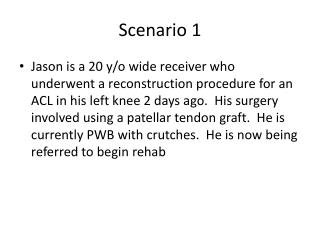
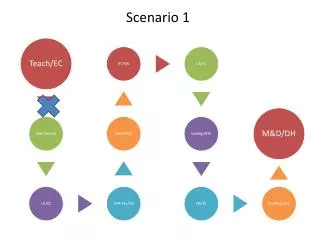
Scenario 1 • Teacher consults with the assessors/level specialists • They decide if the answer is acceptable • Some reference books • Reliable websites • Dictionaries • Native speakers
Scenario 1 Cont. • If the answer is acceptable, all the teachers are informed • They go back and regrade • If the item is problematic, we may need to cancel it • If there are too many alternatives, we may revise the item for the next time
How to prevent it • Assessors go over papers before grading to find alternative answers • Teachers provide alternative answers during feedback sessions • Effective key annotation during first grading • Spot-checking • Updating answer keys for future use
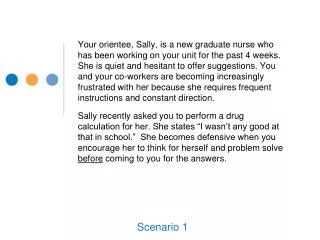
Scenario 2 • Try to convince them by using the criteria • Pairing them with reliable/experienced teachers to discuss • Small groups during standardization. Teachers standardize each other. • Having a good mix of markers • Clear criteria/rubrics to refer during the standardization sessions • Allocating enough time for discussion and justification • Approaching the person individually/providing training if necessary
How to prevent it • Clarifying expectations before grading starts • Having clear descriptors • Revising rubrics if necessary • Including the people with deep-rooted beliefs in the preparation/revision process