
SlideServe
Menu
Préférences
© SlideServe · v2026

Amazing Bones - The Human Skeleton Unveiled

hunter avatar
12 diapositives · 212 Views · Jul 20, 2014

Uncover the mysteries of the skeletal system, from bone structure to functions like support, protection, and movement. Learn about bone diseases and the fascinating facts about the average number of bones in adults and babies. Discover the role of bones in the body and different types of bones and diseases. Explore the anatomy and functions of the human skeleton.
Amazing Bones - The Human Skeleton Unveiled - slide 1
01 / 12Amazing Bones - The Human Skeleton Unveiled
1 / 17

Télécharger la présentation

Amazing Bones - The Human Skeleton Unveiled
Une image / un lien ci-dessous est fourni (tel quel) pour télécharger la présentation

Politique de téléchargement : le contenu du site vous est fourni TEL QUEL pour votre information et votre usage personnel ; il ne peut être vendu, concédé sous licence ni partagé sur d’autres sites sans l’accord de son auteur.Le contenu vous est fourni TEL QUEL, pour votre information et votre usage personnel uniquement. Téléchargez la présentation en cliquant sur ce lien. Lors du téléchargement, si vous ne parvenez pas à télécharger une présentation, l’éditeur a peut-être supprimé le fichier de son serveur.Pendant le téléchargement, si vous ne parvenez pas à obtenir une présentation, le fichier a peut-être été supprimé par l’éditeur.

F I N

Plus de contenu associé

Transcription de la présentation
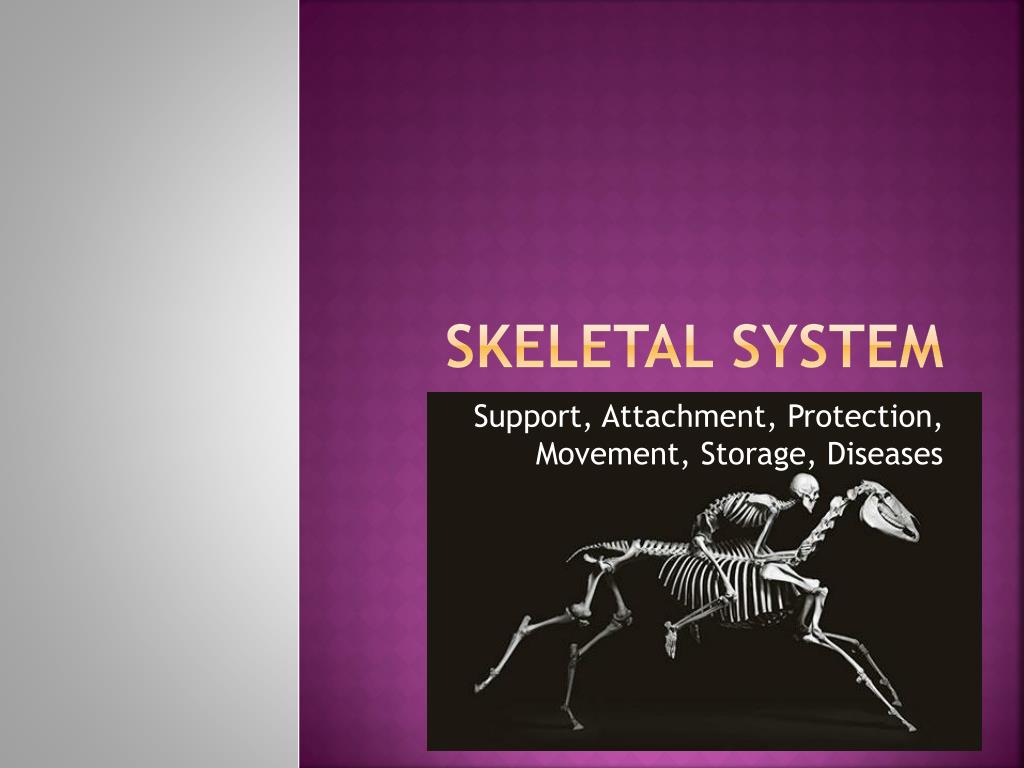
  1. Skeletal System Support, Attachment, Protection, Movement, Storage, Diseases

  2. How many Bones do we have? • Average adult has 206 Bones • Average baby has approximately 300 bones! • (Say Whaaaaaaaaa?!) • Bones are not fully formed/fused until sometime between 13 and 18 years old

  3. INCREDIBLE BONES!!! (I wish this slide design had lowercase letters so I could capitalize “incredible bones.” • Auditory Ossicles: malleus, incus, stapes • Ethmoid Bone: Specifically the Cribriform Plate • Largest Bone: Femur • Smallest Bone: Stapes (stirrup) • Pass around example • Regeneribs! Periosteum intact, osteoblastspropogatee • Hyoid Bone: • Floating Ribs:

  4. Da Bones How did I get peer-pressured into swallowing this giant bone?!

  5. Dem’ bones, dem’ bones gonna walk around. • ~20% of total body weight • 6 main functions of our endoskeleton • Support: shape/framework (framing of a building) • Attachment: muscles, tendons and ligaments • Movement: leverage for skeletal muscles • Protection: Protects our guts (brain, cord, heart, etc) • Blood Cell Production: Hematopoeisis (red marrow) • Storage: Mineral storage (esp. Ca+)

  6. Organization of le’ skeleton • Axial Skeleton (80) • Skull • Ossicles (malleus, incus, stapes) • Hyoid Bone • Vertebral column • Chest • Appendicular Skeleton (126) • Shoulder girdle • Arms/Hands • Pelvic Girdle • Legs/Feets BAHAHA! “feets”

  7. Skull (a.k.a. Cranium) • Parts you gotta know! • Frontal • Temporal • Zygomatic • Ethmoid • Mandible • Maxilla • Sphenoid • Parietal • Lagrimal • Nasal • Occipital

  8. Vertebral Column • Types of Vertebrae • Cervical • Thoracic • Lumbar • Sacral

  9. We’re all created equal . . . . jk. • Males = Awesome • Thicker/Longer limbs • Longer digital bones • Brow Ridge • Pelvic Girdle • Females = Weak Sauce • Narrower rib cages • Smaller Teeth • Less angular mandibles • Less pronounced cranial features

  10. Diseases • Bone Cancer • Bone Tumors • Arthritis • Osteoporosis • OsteogenesisImperfecta • Fracture • Simple • Compound Shoulda had a V8

  11. The Infamous Teratogen! • Thalidomide: • Pros: Cures Morning Sickness in Pregnant women. • Cons: Prevents the development of long bones (i.e. arm and leg bones don’t extend)

  12. Homology