
SlideServe
Menu
Préférences
© SlideServe · v2026

JOINTS

jacoba avatar
13 diapositives · 447 Views · Jul 24, 2014

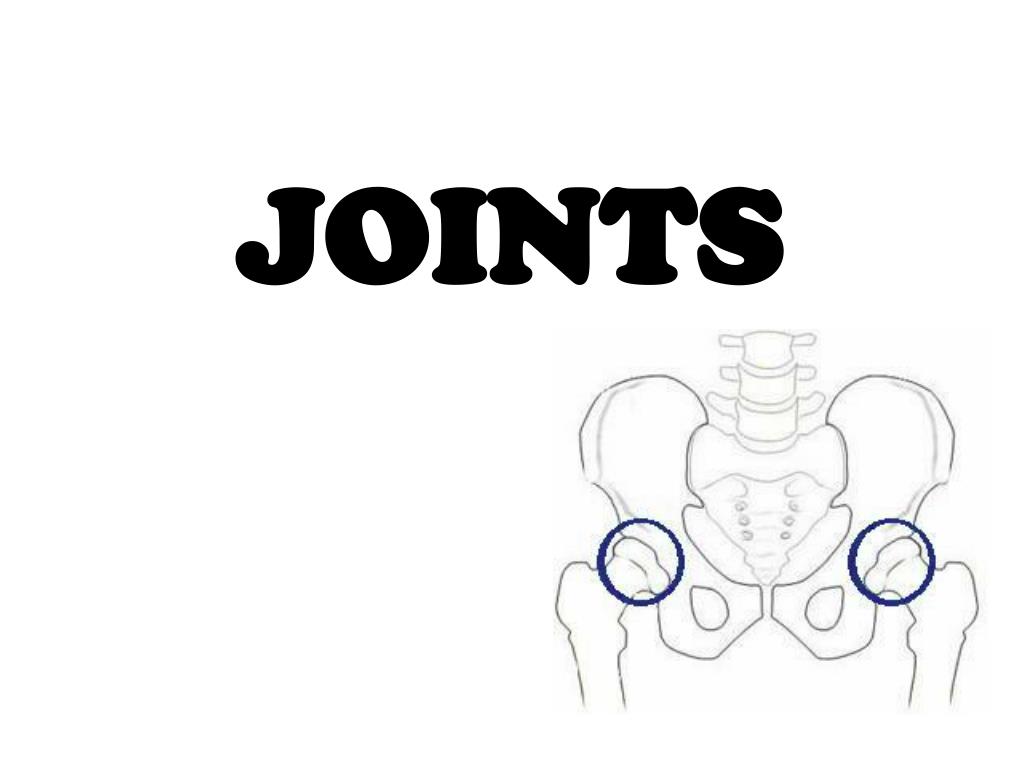
JOINTS. JOINTS. Where 2 or more bones meet They increase mobility The more movement a joint has, the less stability it has (& the greater risk of injury) LIGAMENTS: strong flexible tissue that connect bone to bone
JOINTS - slide 1
01 / 13JOINTS
1 / 17

Télécharger la présentation

JOINTS
Une image / un lien ci-dessous est fourni (tel quel) pour télécharger la présentation

Politique de téléchargement : le contenu du site vous est fourni TEL QUEL pour votre information et votre usage personnel ; il ne peut être vendu, concédé sous licence ni partagé sur d’autres sites sans l’accord de son auteur.Le contenu vous est fourni TEL QUEL, pour votre information et votre usage personnel uniquement. Téléchargez la présentation en cliquant sur ce lien. Lors du téléchargement, si vous ne parvenez pas à télécharger une présentation, l’éditeur a peut-être supprimé le fichier de son serveur.Pendant le téléchargement, si vous ne parvenez pas à obtenir une présentation, le fichier a peut-être été supprimé par l’éditeur.

F I N

Plus de contenu associé

Transcription de la présentation
  1. JOINTS

  2. JOINTS • Where 2 or more bones meet • They increase mobility • The more movement a joint has, the less stability it has (& the greater risk of injury) • LIGAMENTS: strong flexible tissue that connect bone to bone • Not very elastic (take a long time to return to normal shape), can be damaged permanently

  3. TYPES OF JOINTS • FIBROUS: • Think layer of fibrous tissue connecting the edges of the two bones • No movement allowed • e.g. sutures in the skull

  4. TYPES OF JOINTS • CARTILAGINOUS JOINTS: • Bones can be separated by fibrocartilage disc (e.g. intervertebral discs), or by a thick layer of hyaline cartilage (e.g. where ribs & sternum connect) • Limited movement at these joints

  5. TYPES OF JOINTS • SYNOVIAL JOINTS: • Most common & most important for mobility • Features: • Space b/w the bones is called the joint (articular cavity)

  6. SYNOVIAL JOINTS • Smooth white layer of articular cartilage covers the articulating surfaces of the bones. • Cartilage: reduces friction; absorb shock; protect bones; varies in thickness; can wear & tear; overuse = osetoarthritis

  7. SYNOVIAL JOINTS • Articular capsule surrounds the joint (sleeve like) • Flexible to allow movement, but strong to prevent dislocation

  8. SYNOVIAL JOINTS • Inside of the capsule is lined by a synovial membrane that secretes synovial fluid. (like raw egg white • It lubricates the joint cavity, reduces friction and provides nutrients.

  9. SYNOVIAL JOINTS • MENISCI: semi-lunar discs of fibrocartilage • Allow bones of different shapes fit together more tightly • Provides greater cushioning & stability

  10. SYNOVIAL JOINTS • BURSAE: small fluid-filled sacs found where two structures rub against each other • e.g. b/w ligament & bone; b/w tendon & bone • Lined by a synovial membrane, provide lubrication and reduce friction • Found in areas of high stress in the body

  11. BURSAE

  12. TYPES OF SYNOVIAL JOINTS • Gliding joints • Hinge joints • Pivot joints • Condyloid joint • Saddle joint • Ball & socket joint

  13. YOUR TASK • Investigate one type of synovial joint. • Description of the joint • Examples where it’s found in the body • Diagrams and/or video • A fun witty way to remember this joint • All information to be presented to the class, and a copy of your research available to all. due TUESDAY 27th August