Comprehensive Internet Safety: Stop Rape, Protect Our Children
Rape101.com provides essential resources and education on safeguarding against online sexual exploitation and harassment. Understanding the risks of the internet is crucial, as millions of kids and teens are online, often vulnerable to predators. Our platform covers the facts, potential dangers, signs of problems, and most importantly, options for increasing safety. Learn about risk factors, how to recognize symptoms of distress, and gain valuable strategies for intervention. Together, we can create a positive, safe online experience for children.

Comprehensive Internet Safety: Stop Rape, Protect Our Children
E N D
Presentation Transcript
Internet Safety Rape101.com: Resources and education for stopping rape
Introduction • The facts • Potential dangers • Predators and sexual exploitation • Accessing inappropriate content • Harassment • Signs and symptoms of potential problems • Options for increasing safety Rape101.com: Resources and education for stopping rape
The Facts • Katie.com: My Story by Katherine Tarbox • Why do we need to be concerned? • 16 million kids and teens online • Many cases go unreported • What attracts kids and teens to the Internet? Rape101.com: Resources and education for stopping rape
Risk Factors • Loneliness • Low self-esteem • Need for attention • Desire to be popular/accepted • Self/body image • Lying Rape101.com: Resources and education for stopping rape
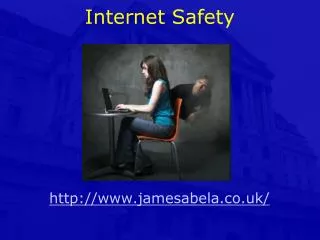
Dangers: Exploitation • Posing • Chat and sex channels • Live audio - online “phone” conversations • Live video - web cameras • Gifts, letters, and phone calls • Meeting in person Rape101.com: Resources and education for stopping rape
Dangers: Content • Inaccurate information • Pornography (pictures, videos, stories) • Antisocial ideas • Opposing views/beliefs • Warez (pirated software) Rape101.com: Resources and education for stopping rape
Dangers: Harassment • Mailing lists • Unsolicited email (spam) • Harassment Rape101.com: Resources and education for stopping rape
Danger: Symptoms • Signs that your child might be at risk online: • Spends large amounts of time online • Pornography • Phone calls, mail, gifts, or packages • Turns monitor off or changes screen • Withdrawn • Use of someone else’s online account Rape101.com: Resources and education for stopping rape
Options for Increasing Safety • Be prepared • Parental involvement • Rules Rape101.com: Resources and education for stopping rape
Options for Increasing Safety • Protecting “identifying” information • Using safe screen names • Controlling internet access Rape101.com: Resources and education for stopping rape
What If... • What to do if something bad happens • Don’t overreact • Various support options • www.cybertipline.org 1-800-843-5678 • Your local rape crisis center, orwww.rainn.org 1-800-656-4673 Rape101.com: Resources and education for stopping rape
Conclusion • The Internet can be a positive, safe experience • Review of signs and symptoms • Resource list Rape101.com: Resources and education for stopping rape