Essential Insights for Developing a Clean Energy Business Plan
90 likes | 220 Vues
This presentation focuses on the key fundamentals of creating an effective business plan for the clean energy sector. Covering essential areas such as market analysis, product technology planning, business models, financial analysis, and management staffing, it highlights best practices and strategies for navigating the competitive landscape. Learn about carbon markets, energy efficiency, and renewable generation strategies to ensure robust financial forecasting and sustainable business models. This program, led by Rakesh Radhakrishnan, provides comprehensive insights to prepare for investment due diligence in clean energy.


Essential Insights for Developing a Clean Energy Business Plan
E N D
Presentation Transcript
Business Plan Fundamentals Presented At 2011 East Coast Academy • June 28, 2011
Introduction » Navigant Energy Practice • Our Energy Practice specializes in Clean Energy Advisory work. • Energy Practice » • 260 Consultants • Clean Energy Advisory » ENERGY POLICY & REGULATION • Carbon market structures, emissions analysis, policy support GREENHOUSE GAS BUSINESS STRATEGY • Carbon market risk and opportunities, carbon reduction strategy, regulatory response, investment opportunity assessment ENERGY EFFICIENCY • Strategy, marketing and implementation, regulatory analysis/support,program evaluation RENEWABLE& CONVENTIONAL GENERATION STRATEGY • Business planning, performance improvement, technology assessments, project due diligence, M&A TRANSMISSION & DISTRIBUTION • Smart grid strategies, storage,transmission planning, grid integration support NATURAL GAS • Market risks and assessments, transport strategies, process improvements, price forecasting
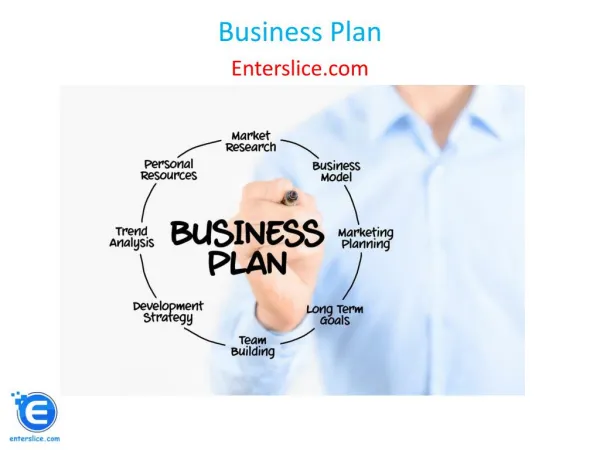
Business Plan Areas of Focus • A typical investment due diligence would focus on five major areas outlined below. Areas of Focus • Market and Competitive Analysis • Product and Technology Plan • Business Model • Financial Analysis • Management and Staffing Plan
Market Analysis Best Practices • Market analyses typically fall short when market forecasts are overly optimistic and competitive environment has not been well studied. Market Analysis Best Practices • Identify target market with appropriate clarity. • Develop forecasts from multiple sources that adequately capture various scenarios (upper end and lower end). • Identify customer needs and other stakeholders/influencers in the market. • Identify major competitors and their associated product and/or service offerings. • Identify emerging players and how they plan to position their product and/or service offerings. • Conduct a five forces analysis to define competitive intensity and barriers to entry.
Product and Technology Plan Best Practices • Credible technology development plans are a cornerstone of any robust business plan. Product and Technology Plan Best Practices • Define what the product/service is and what customer needs it addresses. • Create a credible technology maturation plan that clearly identifies risks and mitigation strategies. • Identify price points based for competing offerings and other market information.
Business Model Best Practices • Defining a sustainable business model is important in creating a credible financial model. Business Model Best Practices • Identify the prevailing business models in the market place for various investor types. • Define the proposed business model/models for the company. • Justify why the proposed business model is sustainable and what the exit strategy is for investors.
Financial Analysis Best Practices • Financial models should avoid hard coded numbers. Financial Analysis Best Practices • Build up CAPEX, OPEX and revenue estimates from the bottoms up. • Run sensitivity analyses on IRRs, DSCRs based on various market penetration scenarios for the product/service. • Use metrics for optimal business cases to set milestone targets for development plan.
Management and Staffing Plan Best Practices • Management team should have sufficient expertise operating in the proposed market. Management Team Best Practices • Identify experience and key competencies required in C-level executives. • Assure that compensation and incentives for management are competitive with the market and aligned with major company milestones. • Build a staffing and compensation plan that is connected to the financial analysis.
Rakesh Radhakrishnan | Associate Director Navigant Consulting, Inc. rakesh.radhakrishnan@navigant.com 860.508.1489 direct