Understanding Coincidence Modes and Thresholds in Signal Processing
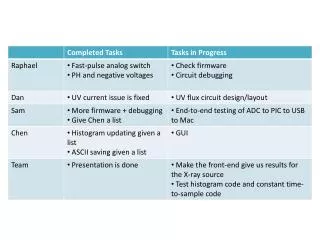
This article explores the concept of coincidence in signal processing, focusing on the coincidence window and its essential role in signal detection. When a coincidence pulse is detected within the designated window, actions are taken based on the type of coincidence mode employed. Without a coincidence pulse, no changes occur in the signal processing system. In coincidence mode, a signal is only recorded if such a pulse happens, whereas in anti-coincidence mode, recording occurs only in the absence of a pulse. Each mode has significant implications for data accuracy and reliability.

Understanding Coincidence Modes and Thresholds in Signal Processing
E N D
Presentation Transcript
Coincidence Modes Threshold Coincidence Window • If a coincidence pulse occurs in the coincidence window, then: • No coincidence: no change • Coincidence: the signal is only recorded if there is a coincidence pulse • Anti-coincidence: the signal is only recorded if there is no coincidence pulse